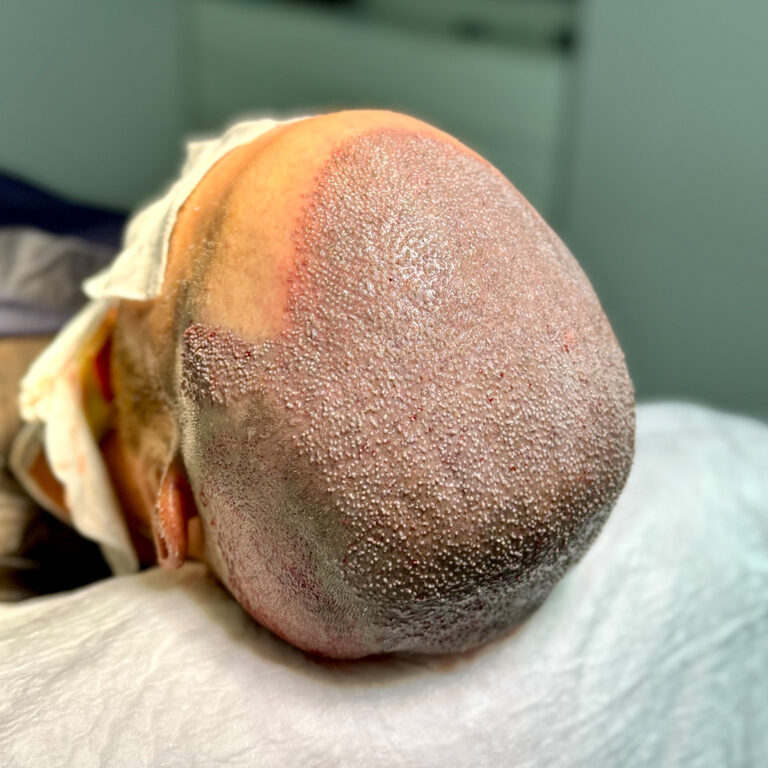
Standard full-coverage hair transplant surgery cannot be performed in advanced hair loss cases such as Norwood stages 5A, 6, and 7. In these cases, a mega session hair transplant involving more than 6000 grafts is required.
These major procedures can be performed over 1–3 consecutive days, depending on the planning of the surgeon and clinic performing the procedure. Alternatively, they can be performed as 1–3 sessions scheduled one year apart.
Hair loss in men often begins at Norwood 1 or Norwood 2. In more than 30% of these individuals, hair loss may progress to advanced baldness, reaching Norwood 6 or Norwood 7.
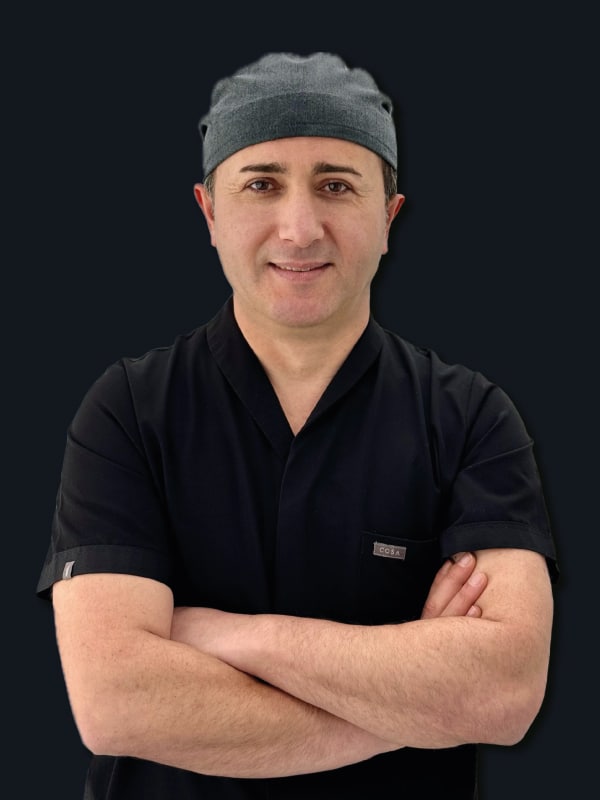
These advanced hair loss cases are often described as “untreatable” either because of insufficient donor areas or because clinics do not have sufficient experience with these cases. Experienced surgeons such as Dr. Resul Yaman state that hair loss stages such as Norwood 6 and Norwood 7 can be treated. For this purpose, body and beard hair can be used as secondary donors.
This can be performed by creating a high hairline and keeping the recipient area smaller. More densely packed hair can be transplanted into the front and midscalp, while the crown area can be transplanted at a lower density compared with the front. When this planning is applied, the patient will of course not achieve the same full hair density they had in their youth. However, the bald areas can be professionally covered with a natural-looking appearance.
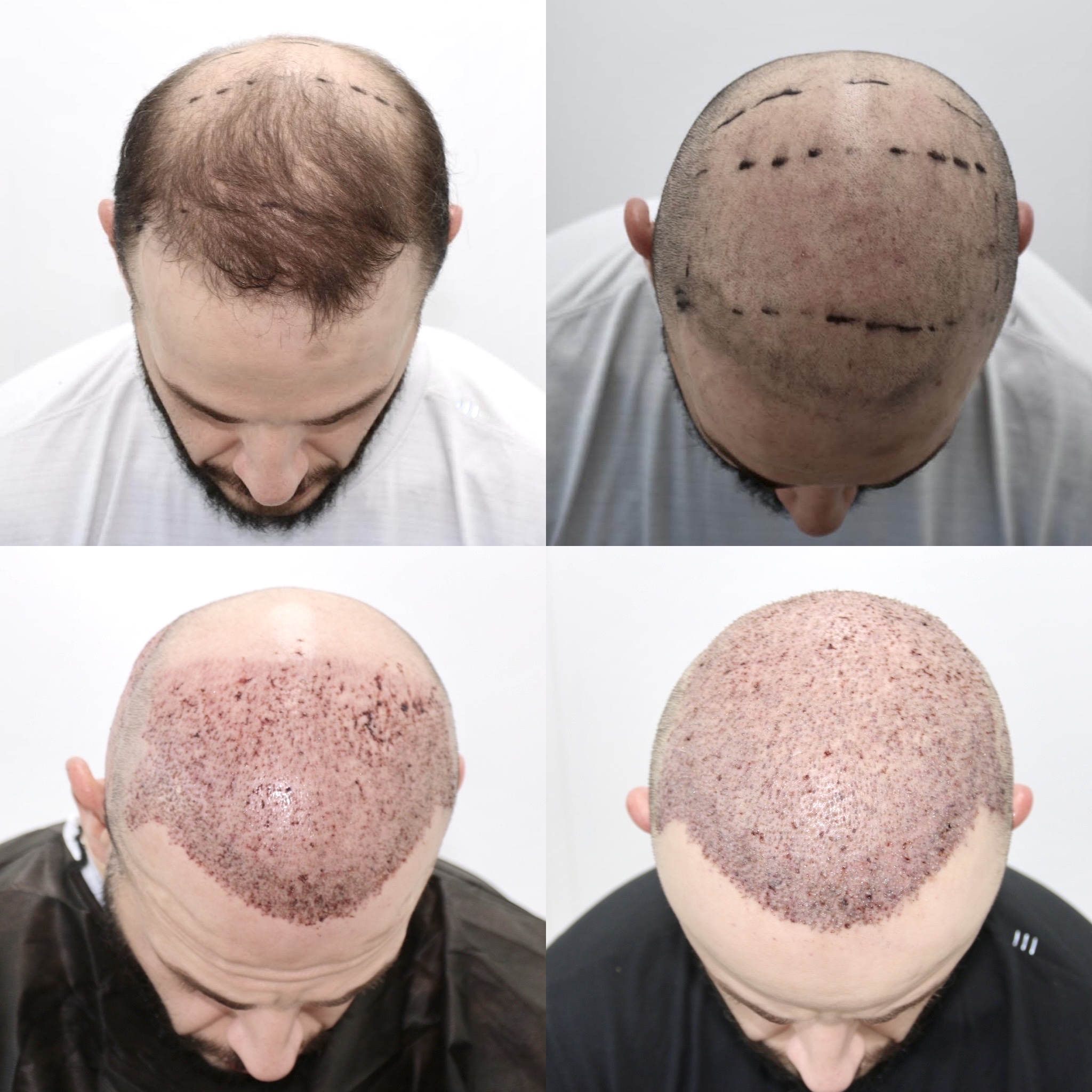
How Can I Get Total Coverage for Norwood 7?
Performing a hair transplant of 6000 grafts or more in a single session is risky and may lead to an unsuccessful result. These types of mega procedures can generally be performed using two different options. One option is to perform the procedure as the first, second, or third session with one year between sessions.
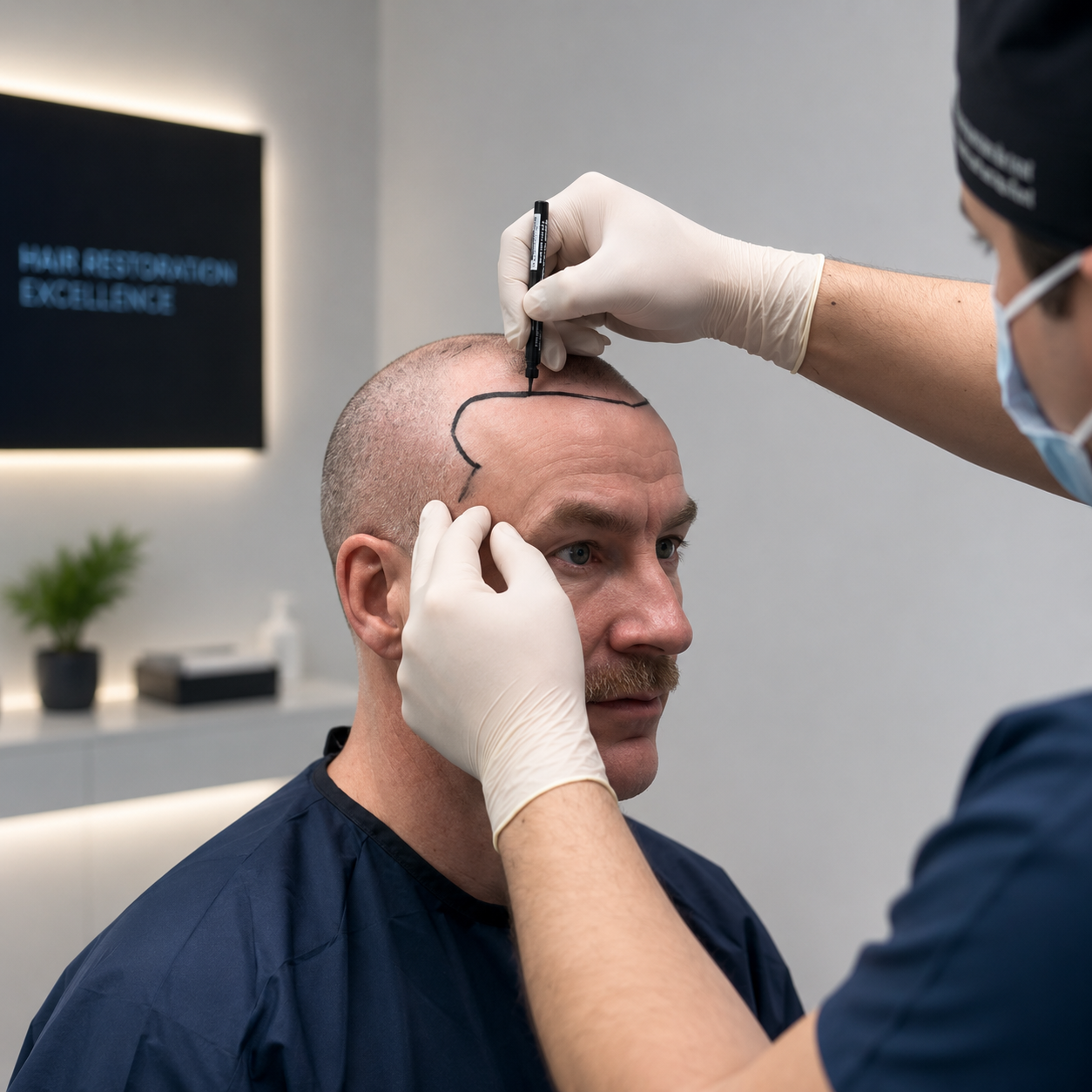
The other option is to perform 1–3 sessions consecutively. We call planning the treatment of advanced cases such as Norwood stages 5A, 6, and 7 in this way a mega session.
One-Year Intervals Between Hair Transplant Sessions
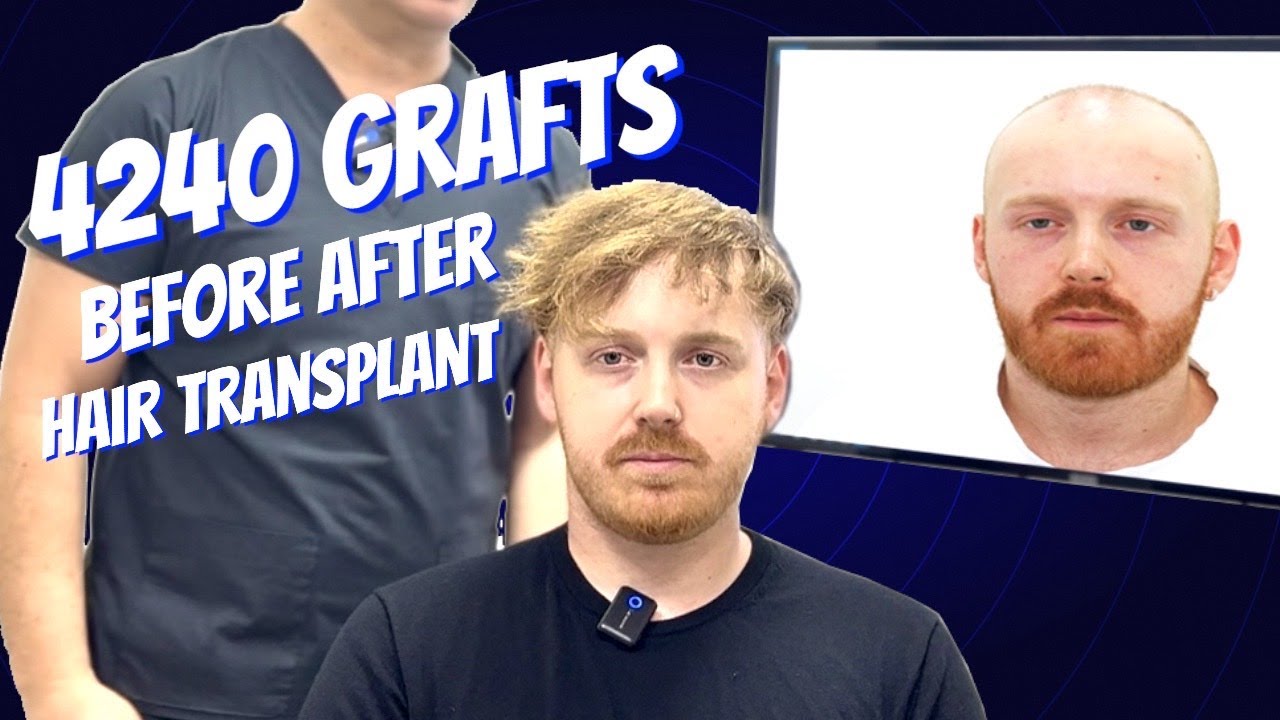
With the first option, having two or three sessions one year apart means that the patient undergoes consecutive sessions over a period of two or three years. For example, if three sessions are required, the candidate will need to travel at three different times.
The patient needs to wait until the third year has been completed to see the final result. This causes additional costs and time expenditure for the patient. This is an option for candidates who do not have time constraints or travel difficulties and who are not in a hurry to see the final result.

Consecutive Mega Session Hair Transplant
However, a mega procedure is an attractive option for people who have time constraints, fear surgery, or do not want to go through a long recovery process again. In particular, patients coming to Dr. Resul Yaman Hair Transplant Clinic from different countries around the world, such as the USA and Brazil, have started to prefer mega sessions performed over 2–3 consecutive days.
Mega Session Option
Mega operation planning is almost the same as other hair follicles transplantation surgeries. The first step is to examine the donor and recipient areas. The donor area must definitely be measured. The number of cm² in the candidate's donor area and the number of grafts that can be extracted from this area must be determined before the operation. This is because a limited donor area needs to be used across a large recipient area.
If the number of grafts to be harvested is not calculated and planned during the examination, the recipient area may not be fully covered.
The recipient area should also be measured in cm². How many grafts should be implanted into each cm² and how many grafts are needed in total must be measured physically and geometrically. It is very wrong to assess this through an estimated approach.
Primary Donor Area Assessment
Some donor areas have very high density, a high extraction capacity, and a sufficiently large donor area. Therefore, harvesting 6000 grafts or more from a single donor area may be sufficient. There may be no need for a secondary donor. Hair thickness and the characteristics of multiple grafts are also very important.
Beard Hair as a Secondary Donor
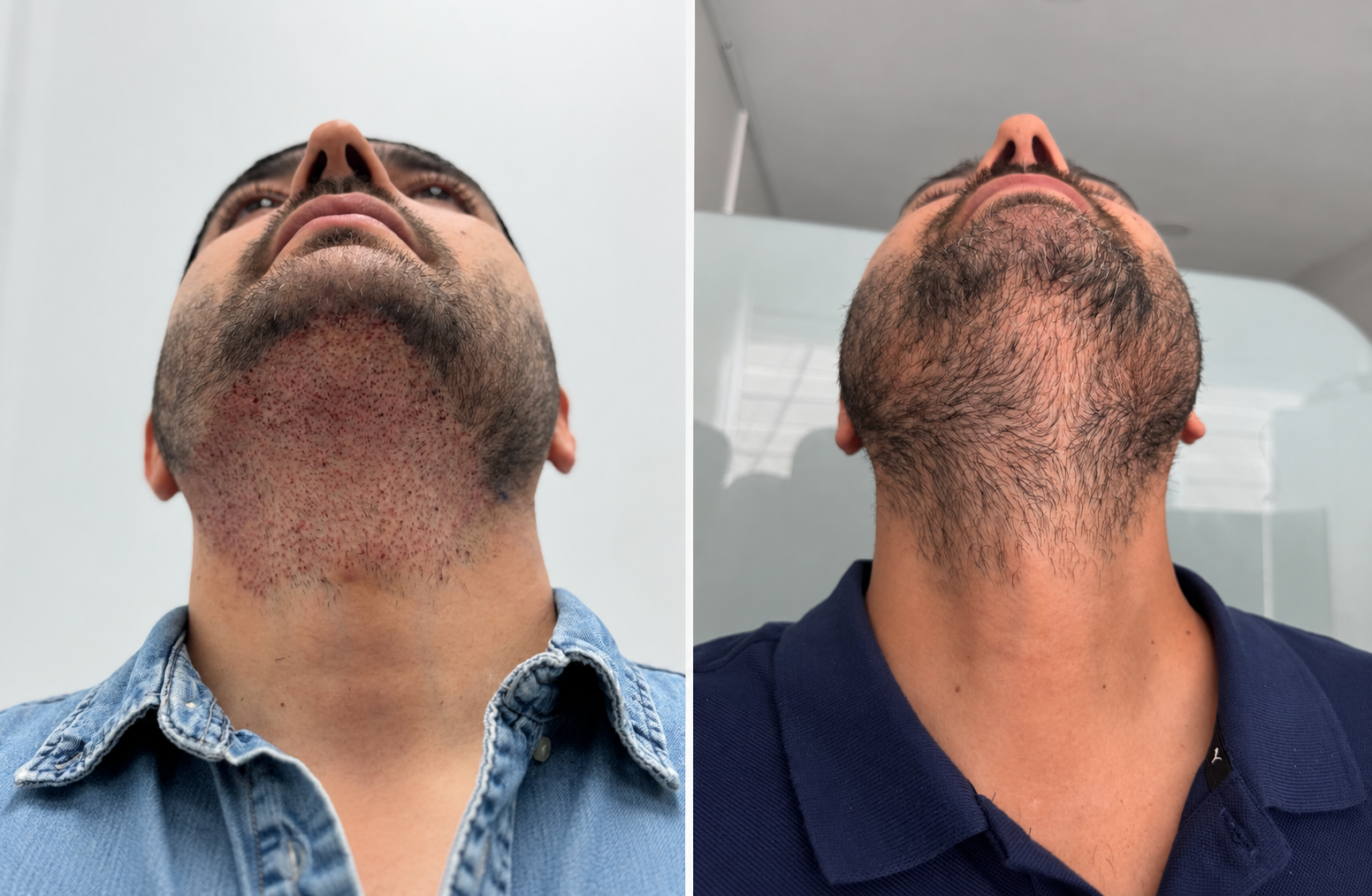
However, in most cases, the grafts in the primary donor area are not sufficient. Particularly when a mega session is performed consecutively over 2 days, doctors consider the risk of overharvesting and look for a secondary donor[1]. At our clinic, beard grafts from beneath the chin are used. Up to 2000 beard grafts can be extracted. This is also a very important amount for completing the number of grafts. (You can check beard hair transplant near me)
Body Hair as a Third Donor Area
Chest and leg hair can also be used as a third donor area. However, it should be known that body hairs are more disadvantaged in terms of long-term graft survival compared with hair from the primary and secondary donor areas. Performing a mega procedure using the patient's nape hair and beard hair and avoiding the need for a third donor area is more advantageous.
Key Planning Principles for a Mega Session Hair Transplant
In the mega session method, there are certain principles used by experienced doctors such as Dr. Resul Yaman. You need to know these before considering the operation.
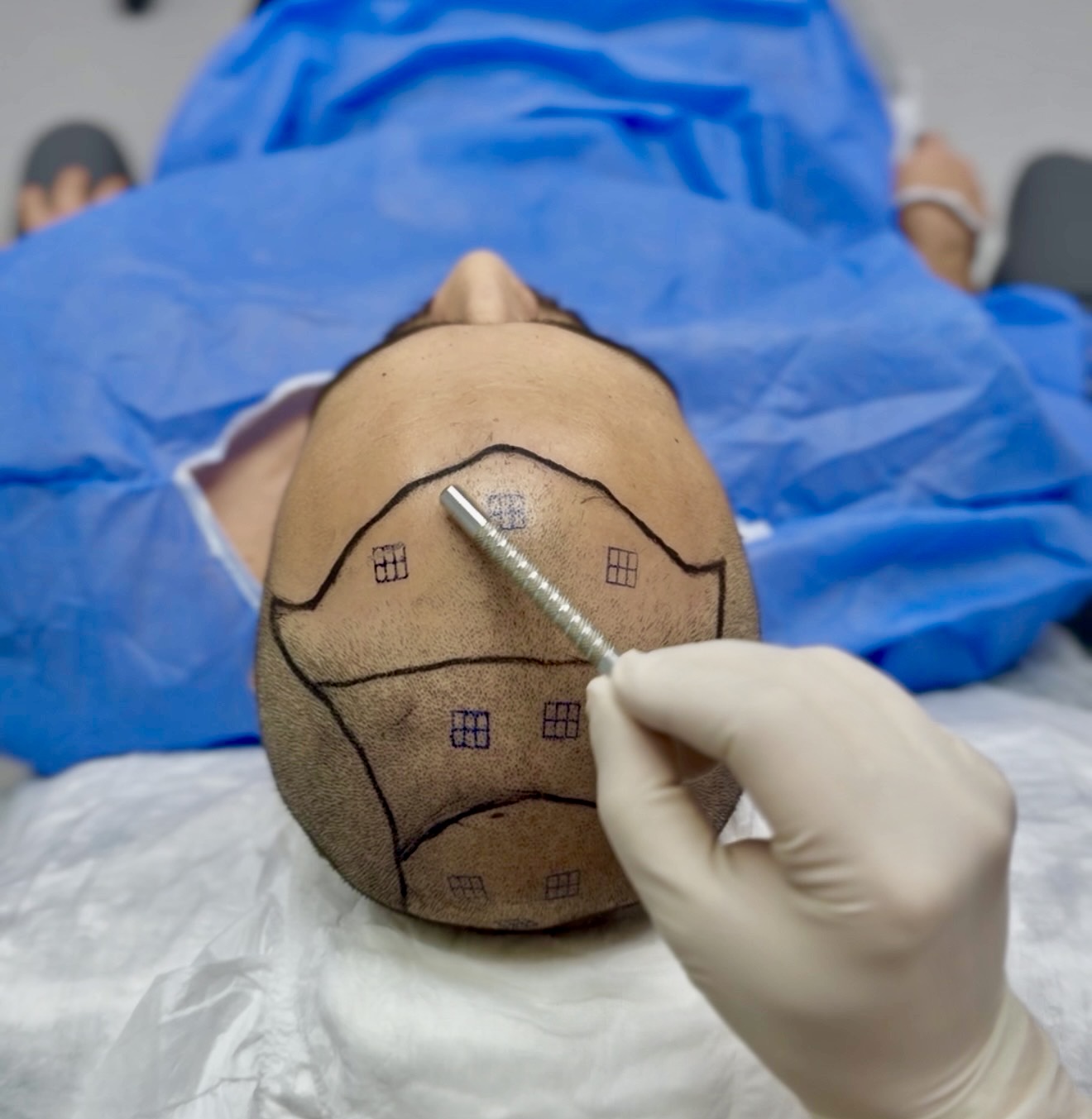
One of the most important principles is that when you have a large recipient area, it is important to know that you have the option of reducing the recipient area because you have a limited donor area. In other words, by placing the hairline slightly higher and choosing a more conservative design, you can reduce the number of grafts needed by using the mid-scalp and crown instead of spending grafts on the forehead.
Prioritizing the Frontal Area
The second important principle is that the appearance of the frontal area is always more important and valuable. When distributing the hair, the number of grafts per square centimeter is higher in the frontal area. The number of grafts per square centimeter in the mid-scalp and crown is reduced compared with the frontal area.
This allows those undergoing treatment to have denser hair in the frontal area, while hair density is reduced toward the back[2]. This is important for two reasons. First, it improves the frontal appearance. Second, when the person wants to grow their hair longer and comb it backward, they can cover the less dense area at the back.
Conservative Hairline and Graft Distribution
In short, choosing the hairline position as a strategy and reducing the distribution of grafts per square centimeter as you move toward the back helps you take a more conservative approach and use your donor area more efficiently[3].
If you have advanced hair loss such as Norwood 7, it should not simply be dismissed as untreatable. Thanks to these two principles of the mega surgery, even if you have a limited donor area, natural results that suit you can be achieved by keeping the hairline at a higher location and gradually reducing graft density toward the back.
The Benefits of a Two-Day Mega Session for Hair Restoration
Although 6000 grafts and 7000 grafts for a hair plantation surgery may seem intimidating, our surgeon has extensive experience with patients who undergo this procedure. His patients report satisfaction with their hair restoration results.
Additionally, splitting the operation into two days reduces risks during the recovery process. Because the daily harvesting number of grafts is lower, the extraction process goes smoothly. In advanced hair loss treatments such as mega sessions, the thing patients fear most is the risk of over-harvesting.
Donor Area Dilution and Patchy Appearance
According to StatPearls, skin that is prone to scarring and keloid formation may develop abnormal scar tissue following surgical procedures or skin trauma[4].
In fact, skin that is prone to scarring and keloid formation can also develop a patchy appearance even with small sessions of 2500–3500 grafts. In a mega procedure, the possibility of patchiness may be lower because the entire donor area is diluted and used. This is because extraction is not performed from a single area; instead, the donor area is diluted through extraction across the entire donor area.
The only risk of a mega session hair transplant is that, when the measurements in cm² are made, there may not be enough hair in the primary and secondary donor areas to provide coverage of the recipient area. In short, if there are sufficient grafts in the primary and secondary donor areas, there is no reason for concern.
Boosting Patient Confidence

Finding a solution for wide balding area, like Norwood stages 5, 6, and 7, can significantly boost an individual's confidence. People can escape temporary solutions, like hairpieces and medical treatments, and achieve permanent results through hair surgery. Exciting results with high satisfaction rates allow patients to regain their naturally-looking hair.
Although denser hair results can be achieved in smaller operations such as Norwood 2–Norwood 3, even though the density is lower after transplantation in large operations such as Norwood 7, patient satisfaction is better in major operations. When you restore a Norwood 6–Norwood 7 patient's hair to the level they had in their youth, the before-and-after comparison is very different. Therefore, patient satisfaction is higher.
Candidates in their 40s, 50s, or older often prefer the mega session hair transplant when needing 5000 grafts or more to solve male pattern baldness. These individuals evaluate the mega procedure option to avoid wasting time and not wanting to undergo two or three separate sessions for hair replacement operations.
Dr. Yaman plans a higher frontal line for candidates aged 50 and older. In other words, it adjusts the forehead areas of those undergoing treatment as a maturated hairline to suit them.
This approach reduces the size of the recipient areas, allowing for denser and thicker hair to be transplanted. Patients over 50 can achieve natural-looking hair that suits them. (Look at hair restoration surgery near me.)
Young Patients Considering Mega Session Hair Transplant
Recently, perhaps due to hormonal support or an increasingly stressful lifestyle, baldness such as Norwood 6 and Norwood 7, which would normally be expected to appear in the 40s or 50s, is unfortunately also seen in people in their 20s.
If a young patient has a family history of advanced baldness, such as Norwood 6 or Norwood 7, there is a significant possibility that they may also experience advanced hair loss similar to that of their family members. Therefore, the donor area strategy, hairline design, and graft density should be planned more conservatively, taking the potential for future hair loss into account.
Mega session or two-session surgery can be performed in young candidates. Very successful results can also be achieved in young patients. Beard hair is again used as a secondary donor.
Younger candidates in their 30s with significant hair loss at Norwood stages 5A, 6, or 7 may also consider the mega procedures. In his 18 years of experience, Dr. Yaman has performed numerous mega session hair transplant in Turkey on younger patients as young as 20 or 21.
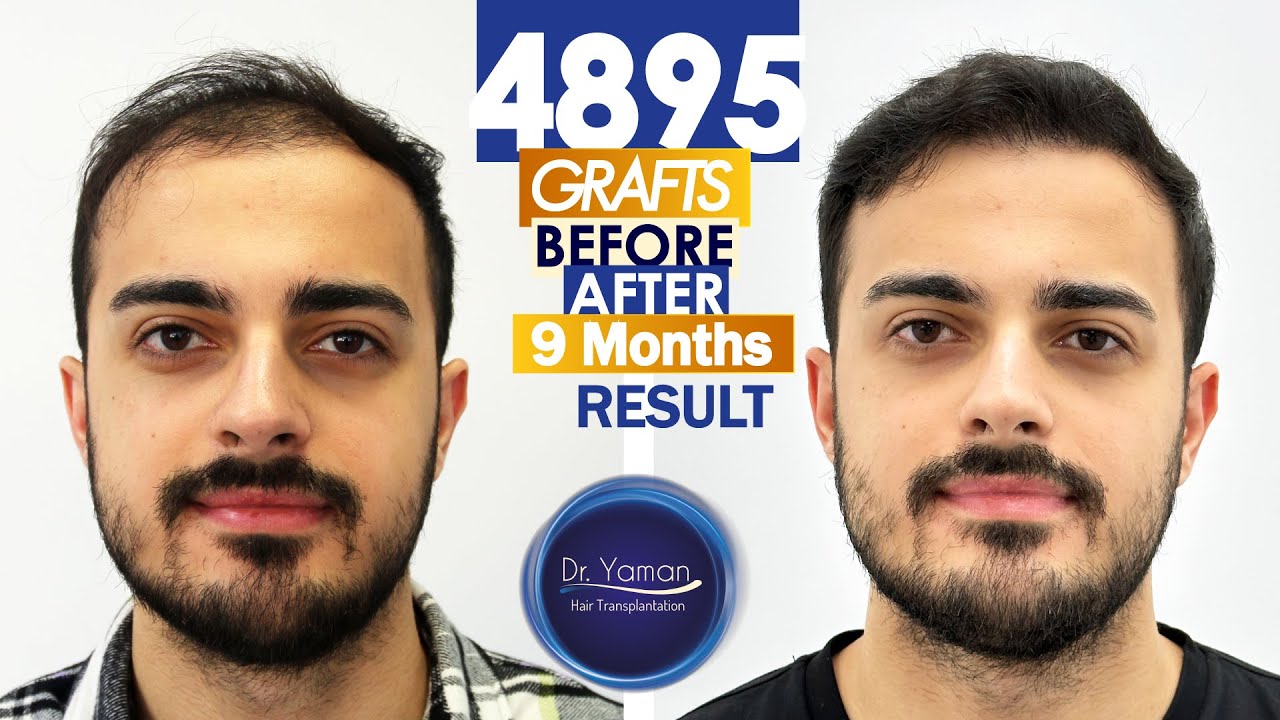
Younger individuals tend to prefer having the first session and then waiting a year for the second session. They see this approach as more cautious and reliable compared to older patients.
For young candidates needing 5000 grafts or more, the frontal line should be planned higher, and the recipient area should be made smaller.
While young individuals may want a smaller forehead, it is better to use the donor area efficiently by planning a higher hairline and minimizing the recipient area. This way, they can achieve a look with thick, naturally dense, healthy hairs instead of sparse, unnatural strands.
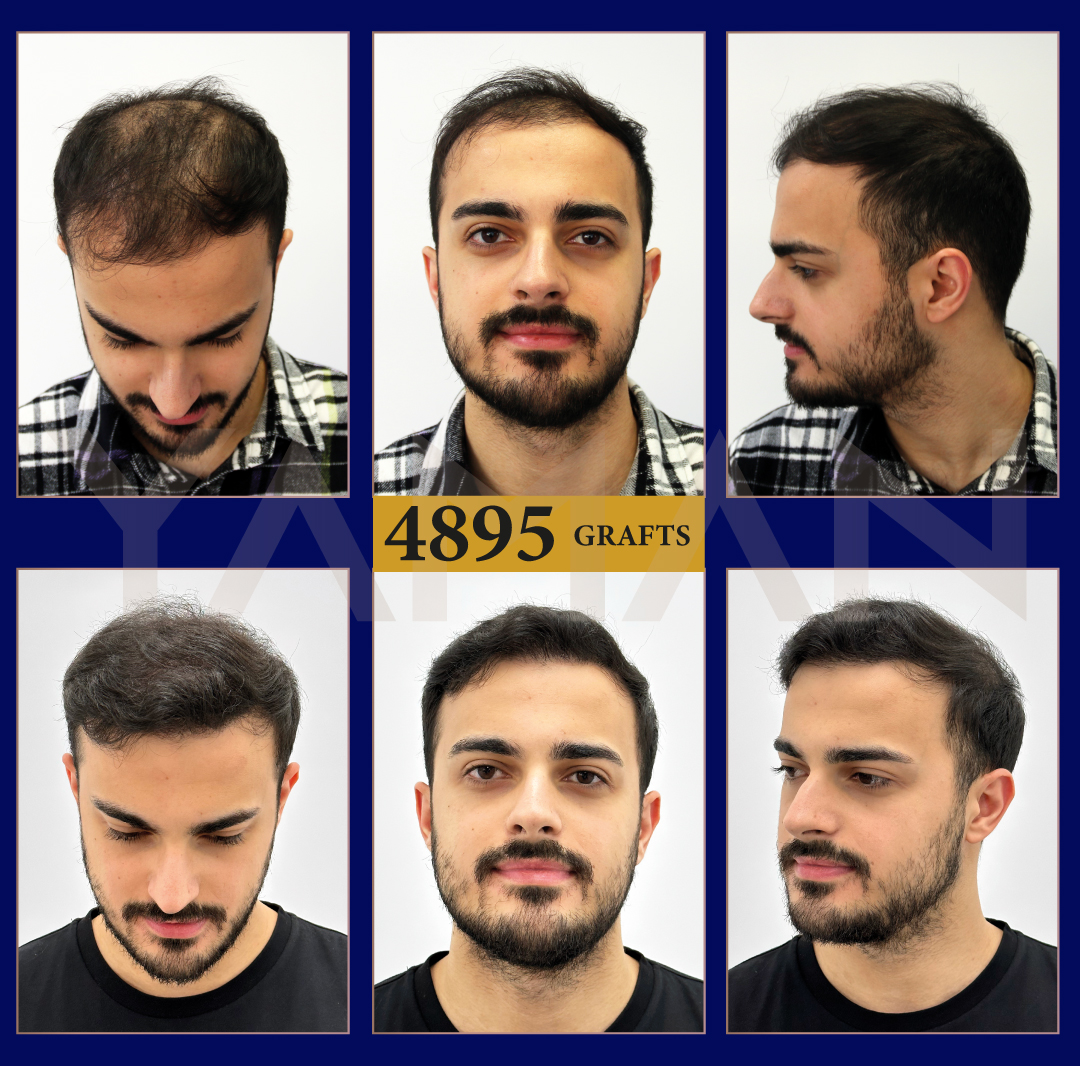
Best Place for Mega Session Hair Transplant
Hair transplant costs can vary depending on the number of grafts and other factors. At Dr. Resul Yaman Hair Clinic, Norwood 6 and Norwood 7 hair transplants are performed with personalized options and careful planning. Our surgeon has frequently performed mega session surgeries for the treatment of advanced hair loss over 18 years.
He is particularly successful in the harvesting stage of these cases. In channel design, he plans the placement of grafts in each square centimeter. Using an advanced examination methodology, he efficiently measures both the donor and recipient areas. He carefully evaluates the measurements in square centimeters, hair thickness, and other parameters. It is possible to read the doctor's comments about mega session procedures on social media and some forums.
Whether through mega sessions or two-session approaches, Dr. Yaman ensures patients get natural-looking results with efficient use of donor areas.