 WhatsApp
A hair transplant is a modern method of using microscopic surgical techniques to achieve natural hair growth for people with hair loss due to various conditions (including androgenetic alopecia). When performed by experienced doctors and with sterile conditions, hair restoration surgery has a low incidence of complications.
Micro-incision surgical procedures like hair restoration may carry a risk of developing an inflammatory condition post-surgery. Among the most frequent complaints of patients is the development of folliculitis after a hair transplant.
Understanding the reason behind folliculitis helps to ensure optimal graft survival and long term results after the procedure.
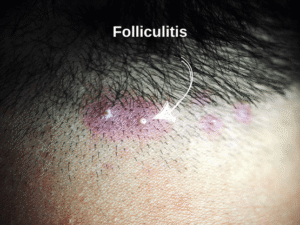
After hair transplants, inflammation of the hair follicle units in either the recipient area or in the donor area is called folliculitis. Inflammatory follicular condition typically develops within two to eight weeks of surgery during hair shedding and growth.
Clinical symptoms of graft irritation may include soft red pimple, pustule-like lesions that resemble acne, subtle tenderness, itching, and surrounding areas of soft swelling. These lesions usually are superficial and do not provide any risk to the transplanted grafts.
If severe, untreated inflammation can elevate the pressure about the follicles, which could theoretically cause problems with adjacent follicles.
The definition of folliculitis relates to inflammation that occurs within hair-producing areas (i.e., pilosebaceous units) of the body.
In FUE hair transplantation, micro-incisions are created in the recipient area to implant individual grafts. The experts make these incisions in a careful, controlled manner but do compromise the scalp’s outer barrier for a short time period and may render it more susceptible to a minor inflammatory reaction or response.
There are three classifications of follicular inflammation after operation:
As stated by Dr. Resul Yaman: “Most cases of post-transplant folliculitis are inflammatory rather than true bacterial infections.” It is essential to understand this difference since the treatment for both conditions differs.
Incidence of folliculitis, as reported in clinical trials, is 1-10%, although this depends on the type of scalp, density of grafts, and patient’s compliance to post-operative care instructions. Patients with oily or seborrheic scalps may be prone to a higher incidence of follicular obstruction, making bacterial growth easier.
The use of a high density of grafts may create pressure in the surrounding tissues and can cause mild (or sometimes more) inflammation.
However, with the advent of modern surgical techniques (measuring the exact depth of the incision, etc.), the risk of developing complications is very low. The patient needs to be educated about the prevention of hair transplant complications.
There are certain factors that may predispose a person to this condition:
It should be noted that patients with excessive sweating can cause inflammation and bacterial growth, particularly if they don’t practice cleanliness on their scalp.
Hair graft irritation can occur after an operation due to infectious and non-infectious factors. In typical dermatology, infectious causes of folliculitis are the majority. But with regard to hair implants, non-infectious causes account for most cases.
Sterile inflammatory folliculitis is non-contagious and rarely leads to serious complications for hair transplants. It often occurs due to surgical causes, such as over-dense grafting, deep grafting, or graft damage during dissection.
Ingrown hairs during the growth phase after shedding can also lead to localized inflammation. Additionally, blocked follicles by sebum, skin cells, or environmental debris can lead to irritation of the scalp, sometimes providing an opportunity for secondary bacterial growth, especially in cases of poor hygiene.
The most frequent cause of how inflammation of the hair follicles occurs is through a bacterial infection, however in rare cases a virus or fungus could be to cause. When infections occur shortly after surgery; (within 2-3 days) it could likely be due to contamination during operation or inadequate post-op care.
Bacteria can enter through any dirty instruments, surgical gloves, or hands that have been contaminated or from poor scalp hygiene. Sharing personal items can also increase the risk. Secondary infections can also occur in irritated follicles due to ingrown hairs or blockages, resulting in more severe inflammation and pustules.
“Prevention begins in the operating room,” says Dr. Yaman. “A balanced density and proper implantation angles can significantly prevent post-operative inflammatory reactions.”
Symptoms may vary by person but generally include:
Most lesions are confined to a few grafted follicles and do not extend extensively, although patients may confuse them with an inflamed grafts after FUE.
Follicular inflammation usually appears as scattered acne-like pimples in the recipient area. The papules may have a small amount of pus but are not usually accompanied by systemic symptoms such as fever or malaise. However, post hair transplant infection would appear more aggressive.
To define the various stages involved with the healing process following a hair replacement and identify early graft irritation signs, it is essential to recognise the typical timeframe for recovery.
Depending on the amount of swelling, redness, itching and scabbing that occurs after surgery; healing from your transplant will take approximately one week. However, note that you are expected to monitor your healing process in case you experience the return of the previous side effects.
Normal healing does not involve infection; therefore, the presence of pus or yellow crusts or bumps on the hair follicles is expected to prompt you to get in touch with your surgeon.
The experience of losing some of your hair 2 to 3 weeks after the procedure is considered normal and referred to as “shock loss,” but this is usually accompanied by regrowth after 3 to 4 months.
| Type of Folliculitis | Cause | Typical Time of Onset | Potential Risks | Typical Healing Time |
| Non-infectious folliculitis | Physical irritation of follicles from surgery or mega session hair grafting | 2-3 days following procedure (early infectious) | Rarely serious, but persistent or widespread inflammation can affect adjacent grafts | 7–10 days |
| Infectious folliculitis | Infection from bacteria such as Staph. aureus, or viruses and fungi | Any time during healing period; incubation period for bacteria 1-3 days | If left untreated, it can result in severe infection and graft loss or scarring on the scalp | 7–10 days |
In mild cases, perifollicular inflammation does not affect the survival of the grafts. Conversely, if left untreated, severe inflammation may pose a potential threat to other grafts in the vicinity due to the increase in perifollicular pressure. Early diagnosis, combined with appropriate treatment and strict adherence to post-op care instructions greatly decrease the chance of complications occurring due to potential follicular inflammation.
After surgery at Dr. Resul Yaman Clinic in Istanbul, we will monitor you carefully during your recovery period to make sure any inflammatory issues that arise will be resolved as quickly as possible to produce the highest quality grafts possible.
Preventing red, pimple-like lesions starts with preventing irritation. Key ways to prevent folliculitis include the following:
Another factor to take into account is the expertise of the surgeon. The techniques employed by the surgeon in the hair plantation procedure are of utmost importance in preventing folliculitis. A good surgeon will take proper care of the hair follicles in the hair restoration procedure.
This will guarantee minimal chances of getting scalp pustules. At Resul Yaman Hair Clinic, patients receive safe and carefully supervised hair transplantation procedures in Turkey.
The majority of patients after the surgery will experience minor degrees of scalp folliculitis that heal within 7-10 days without any treatment. In order to speed the recovery of the symptoms and improve the healing process, the patient can attempt to follow some of these steps at home:
At Dr. Resul Yaman Hair Transplant Clinic, follow-up care is also designed in a way that allows the doctor to identify any signs of inflammation early and distinguish them from complications of hair transplantation.
No. Mild folliculitis is part of the normal healing process and does not indicate failure.
Most cases resolve within 1–2 weeks.
Only severe untreated infections may theoretically compromise adjacent grafts.
Donor site folliculitis is usually mild and resolves spontaneously.
You should call your doctor if the redness spreads quickly, the pain increases, or if you develop a fever.
No, in this case, it can worsen your inflammation and increase your risk of infection.
Follow postoperative care strictly, avoid friction, and maintain good scalp hygiene.
 Get Mail!