


Hair Transplant
Before and After Results
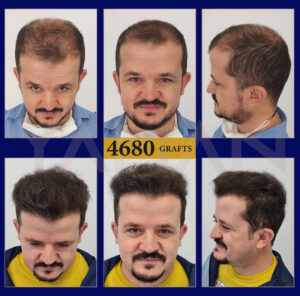
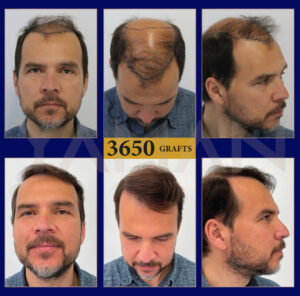
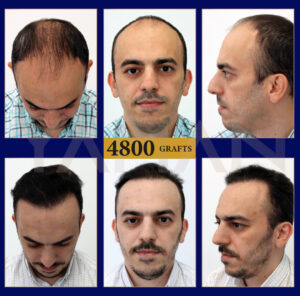
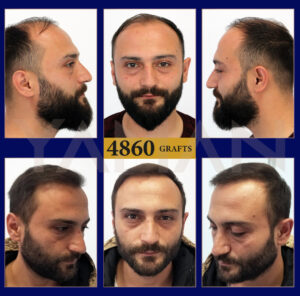
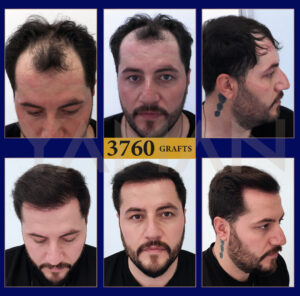
When people start researching a hair transplant clinic, they naturally want to review before and after results. These photographs help them understand the doctor's artistic approach, surgical experience, and consistency.
Hair transplant before and after results reveal much more than a simple cosmetic change. They show how a clinic designs a hairline, manages graft placement, preserves the donor area, and creates natural-looking outcomes.
For this reason, reviewing the cases of the patients who suffered from hair loss similar to yours may be quite informative. It gives the opportunity to understand what could be realistically achieved in your case.
However, evaluating the results of hair transplant involves analyzing the results deeper than just comparing hair density. In order to achieve high-quality results, a number of important parameters should work together. By evaluating all the parameters discussed in this article together, you can gain a much more accurate impression of a clinic's surgical quality.
18+
Years Experience
6000+
Patients Treated
Doctor
Involved Planning
Real Hair Transplant Before and After Results from Our Patients
Each patient has unique facial proportions, hair characteristics and hair loss patterns. Therefore, the treatment of each patient requires an individualized approach.
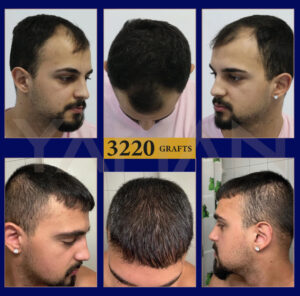
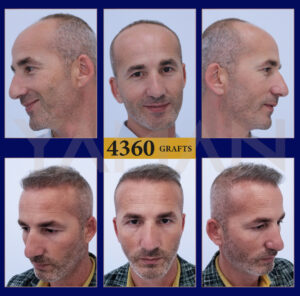
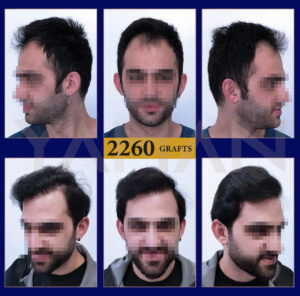
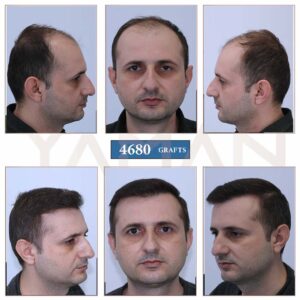
Our before and after gallery includes the cases of individuals suffering from hair loss at different Norwood stages, with various hair types, ages and goals of hair transplant treatment.
Instead of selecting a few of the best cases, we consider it more helpful to present a diverse selection of real cases to enable prospective individuals to make an informed decision.
By evaluating our gallery, you can analyze each person's entire surgical journey, including the development of hairline, donor protection, density planning and long-term healing.
Start Your Hair Transplant Journey with a Free Consultation
Send your photos and our medical team will evaluate your hair loss, donor area and possible treatment plan.
What happens after you submit the form?
- Our team reviews your photos and medical details.
- Your donor area and hair loss level are evaluated.
- You receive personalized information about your possible treatment plan.
- A patient coordinator contacts you with the next steps.
Doctor-involved approach, Ministry of Health accredited clinic and international patient support.
Book your free consultation
Fill out the form and our team will contact you shortly.
Hair Transplant Is More Than a Procedure—It Is an Art
Hair restoration surgery combines surgical precision with aesthetic planning. Technical skill alone cannot create a natural appearance. Artistic judgment also plays a critical role.
Among all the aesthetic factors, hairline design and hair angle directions have the biggest impact on the final naturalness.
For this reason, examining several cases of hair transplant surgery before and after photos is really important. Each case needs to be evaluated individually and not compared only based on hair density.
Is the hairline design corresponding to the facial proportions of the patient?
Is the hairline suitable for the age of the patient?
Does the result look natural from different angles?
Are the hair angles and directions matching natural hair growth?
Does the transplanted hair blend with natural hair?
Hairline Design
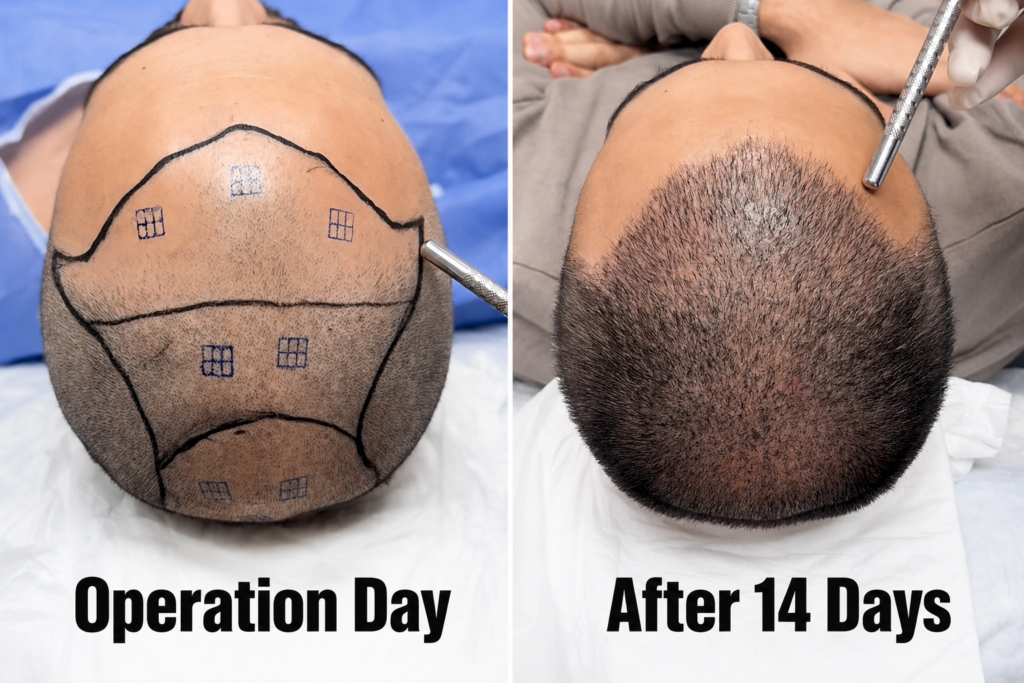
Hairline design is one of the main parameters of successful hair transplant surgery[1]. It should never be performed in a routine way. An experienced physician should personally design the hairline before surgery. The stage involves medical and artistic expertise.
The natural hairline is never absolutely straight. It includes macro and micro irregularities that correspond to natural hair growth. Single hair follicular units should be selected for these irregularities in the course of hair implants surgery. The use of finer grafts creates a softer transition and excludes any artificiality.
In a natural scalp, the frontal transition zone starts with the fine hairs. Hair becomes thicker and denser going toward the mid-scalp. The well-planned hair restoration should reproduce this same pattern.
The transition zone should start softly with carefully placed irregularities. The density should increase gradually behind the hairline. This gradual transition creates a natural appearance from close and distant view.
In contrast to that, the unnatural hairline is typically characterized with the absolutely straight borderline with excessive density placed at the very front.
The same rules also apply to the temple region. The natural temple points need to have flatter hair angles, soft irregularities and fine single hair grafts at the leading edge. The density should increase gradually going toward the scalp.
When looking at before and after photographs, pay attention to the above details. They often reflect the surgeon's experience and attention to detail.
Age-Appropriate Hairline Design
The age of the candidate is an important parameter when planning the frontal hairline. The younger patient could get a slightly lower hairline since future facial proportions still allow for this development.
However, creating the same low hairline in the case of a 50-year-old person is likely to produce an unnatural result. In this case, the higher hairline creates a more balanced and age-appropriate result. The naturally larger forehead looks more realistic.
Instead of following a rigid template, the physician should customize every hairline individually taking into consideration the patient's age, facial anatomy and hair loss risks in the future.
Donor Capacity Should Guide Hairline Planning
The condition of the donor region is also an important parameter when planning the frontal hairline. If the donor capacity is not enough, the recipient area should also be planned more conservatively. Not all the donor follicles could be extracted, but there should be enough hair left in order to keep the natural donor appearance after hair restoration.
With the lack of donor supply, placing the hairline a little bit higher helps to distribute the available grafts evenly in the recipient area. The same rule applies to Norwood 6 and Norwood 7 patients.
In these cases, the higher graft density could be planned for the frontal area, while the lower grafts per square centimeter could be placed going toward the mid-scalp and crown. This balanced graft distribution creates a natural-looking coverage, maximizes the donor protection and minimizes the donor overharvesting.
Graft Survival
After analyzing the hairline design, graft survival is the second important parameter when assessing the hair transplant before and after results.
Graft survival is the percentage of the transplanted follicles that successfully grow after the surgery[2]. High graft survival rate is a reflection of proper graft handling, implantation and postoperative care.
When analyzing the pictures of hair transplant before and after, try to estimate how many transplanted hairs have successfully grown. However, the photographs alone might sometimes be misleading.
The shaft thickness is also an important parameter. With the fine hair, the patient might have relatively low density even with high graft survival rate. On the other hand, the thick hair naturally produces more dense hair coverage with the same number of grafts.
For the more realistic comparison, look at the cases of the patients who have similar hair thickness, hair color and hair characteristics. It will allow you to get a more accurate expectation of your future results.
Personal Attention Makes the Difference
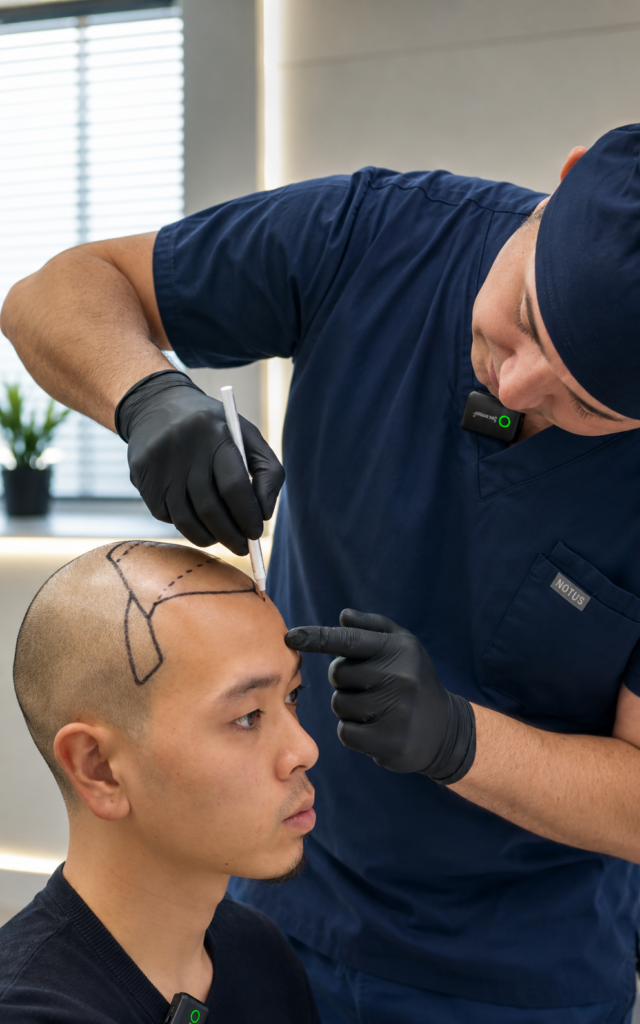
Our clinic follows the doctor-involved approach to hair transplantation. Dr. Resul Yaman takes only a limited number of patients each day in order to provide proper attention to each case.
In case of high-volume clinics, the doctors are not always able to devote enough time to every patient. As a result, many stages of the procedure are typically delegated to the technicians almost completely.
Selecting the clinic where the physician remains involved in the surgical process during the whole procedure improves treatment planning, surgical precision and patient safety.
A State-of-the-Art Clinic with Advanced Hair Transplant Techniques
Modern hair restoration constantly evolves due to new surgical techniques and innovations. Our clinic combines proven techniques and implantation approaches in order to achieve natural-looking results and protect graft survival.
Dr. Yaman applies the hybrid hair transplant methodology which involves combining of different implantation techniques according to the anatomical peculiarities of every scalp region.
The doctor personally performs the creation of the frontal recipient incisions with the sapphire blade and implants the grafts using the patented Yaman Implanter in order to achieve natural hair angles and irregularities. In the crown area, he uses the classical DHI Choi Implanter Pen which allows achieving the precise graft placement and high graft survival.
Medicine constantly evolves through scientific research and clinical experience. That's why our clinic constantly follows the latest developments in hair restoration and continuously refines its surgical approach providing evidence-based patient care.
What to Look for When Reviewing Hair Transplant Before and After Photos
The Ministry of Health of Turkey has established the standards for the publishing of before and after photos by hair transplant clinics. The healthcare providers who are listed on the Health Turkiye platform need to follow them. That's why choosing the doctor and clinic listed on Health Turkiye can provide additional reliability when planning your treatment.
Although before after photos are really useful, not every picture published online corresponds to the real clinical result. This is especially true for social media. Therefore, reviewing photos carefully and asking the right questions is essential.
How to Evaluate Before and After Results
Check the natural lighting
Some clinics use the studio lighting or certain camera angles which could make the hair look denser than it is.
Avoid edited pictures
Filters and digital retouching distort the final outcome. The natural and unedited photos give the most reliable representation of the results.
Compare similar conditions
The hair transplant before and after photos need to be taken in the same lighting, background and camera angle. Otherwise, the difference might be the result of photography and not of the surgery.
Look at official sources of the clinic
The clinic's official website and documented healing process provide the most reliable patient results.
Look for patients similar to you
The hair thickness, hair color and hair type influence the final result. Comparing your hair with similar cases provides the most realistic expectation. The diverse before-after case gallery also reflects the extensive clinical experience.
Verify the authenticity of the cases
Sometimes websites publish results of the patients belonging to other clinics after deleting their logo or watermark. The patient videos with the treating doctor help to confirm the authenticity.
Ask for patient references
The reputable clinic should be able to provide the references or additional before and after cases.
Review the older results
Explore the YouTube, Instagram and other social media accounts of the clinic. The results which were shared over many years typically reflect long-term experience.
Look for long-term follow-up
The one-year, two-year and even five-year results give a better understanding of the durability of treatment than the early postoperative pictures alone.
If you would like to read more detailed information on this topic, please refer to our blog, "What to Expect in Hair Transplant Before and After Photos?"
Hair Transplant Results by Graft Count: What to Expect
Many candidates want to know how 2,000, 3,000, or 5,000 grafts will affect their appearance. However, the number of grafts required varies from patient to patient depending on their Norwood stage, hair characteristics and recipient area.
The hair thickness, hair color and hair type affect the final visual density. For instance, the thick or curly hair typically produces more coverage than the fine or straight hair with the same number of grafts.
The head size is also an important parameter. The candidates with a larger scalp typically require more grafts because the recipient area occupies more square centimeters. The smaller scalps could achieve similar coverage with less grafts.
Norwood 1
Suitable for Norwood 1, scar revision and eyebrow transplantation.
Norwood 2
2,000-2,500 grafts: Typically enough for Norwood 2 depending on the hair characteristics. Norwood 2 cases are generally classified as a receding hairline. As hair loss progresses, a large forehead often becomes more noticeable in both men and women. In many cases, 2,000 to 2,500 grafts are sufficient to address this concern. Instead of undergoing a more complex procedure such as forehead reduction surgery, having a hair replacement surgery with this number of grafts may be a more advantageous option. Our doctor is one of the most experienced specialists in Istanbul for the treatment of a receding hairline.
Norwood 3 / 3A
Might provide enough coverage for Norwood 3 and Norwood 3A.
Norwood 4 / 4A
Represents the maximum number of the grafts performed during one session in Turkey. At our clinic, the surgeon performs 4,500 grafts per session. This number could be suitable for Norwood 3A in the large scalps, Norwood 4 or 4A in the small scalps and selected Norwood 5 patients with favorable hair characteristics.
Norwood 5 / 6 / 7
These procedures are usually performed as a mega session over two days consecutively or in two separate surgeries with the interval of 9–12 months. They are typically planned for the Norwood 5, 6 and 7 patients. In advanced cases, the donor capacity, hair characteristics and hair type become critical. Also, beard or body hair could be considered as a secondary donor source.Dr. Resul Yaman has successfully treated many advanced hair loss cases at his clinic in Istanbul.
Hair Transplant Turkey Before and After: How Many Grafts Do I Need?
Usually, the candidates start with the review of before and after photos to evaluate the results of the clinic. The next question of individuals with hair loss is how many grafts they need.
Although the before after photos provide useful information, they shouldn't be your only reference point. The hair thickness, hair color, scalp shape, head size and the degree of hair loss vary from patient to patient. That's why direct comparison to someone else might produce unrealistic expectations.
The final number of grafts should always be defined by an experienced hair transplant surgeon. An initial estimation is usually possible from the photographs. However, a video consultation or face-to-face examination provides a more accurate assessment.
Our surgeon encourages the video consultations with the international patients prior to the surgery. During these consultations, he estimates the expectations of the patient, his or her hair loss pattern and the approximate number of grafts needed.
At the clinic, the hair thickness is estimated with the micrometer. At the same time, the donor region is evaluated with trichoscopic imaging and high-magnification camera. The use of trichoscopy has become increasingly popular for such use. These estimations help to define the safe number of the grafts that could be extracted. For younger individuals, the donor extraction is planned conservatively in order to keep the grafts for future procedures.
The recipient area is measured manually or with 3D scanner. Based on these measurements, the appropriate density of the grafts is estimated for the frontal area, mid-scalp and crown in order to achieve balanced and natural-looking coverage.
- Female hair transplant before and after pictures, you can see 2500 and 3000 graft procedure results.
- Also, we recommend seeing our eyebrow transplant before and after images.
Choosing the Right Clinic in Istanbul: What Really Matters
Before and after photos are an important factor when choosing a hair transplant clinic in Turkey. However, some clinics provide only the best results of themselves. That's why you need to evaluate more than only the photo gallery in order to choose the clinic.
Turkey offers numerous hair transplant clinics especially in Istanbul which makes the choice of the right one quite difficult. We recommend you to consider the experience of the surgeon, the level of doctor involvement and the experience of the surgical team.
Some clinics use temporary technical staff. Instead, you need to find a clinic with the stable team that works with the same surgeon for many years. Hair Transplant Practice Guidelines recommend that assisting personnel should be medically trained and properly educated in hair transplantation, infection control, sterilization, and patient communication to help maintain high standards of care [4].
It is also important to check the background of the doctor and the hair transplant technique which is used. You also need to select the approved by Ministry of Health doctor and clinic.
The properly equipped hospital provides additional safety level. Ideally, the procedure should be performed in the hospital with the emergency department and anesthetist. You need to avoid the clinics that perform operations in office conditions without any medical facilities.

Hair Transplant Packages 2026: Graft Count & Pricing
| Number of Grafts | Norwood Level | Treatment Area | Price Information |
|---|---|---|---|
| 1200–2500 Grafts | Mild Hair Loss | Hairline, frontal zone |
Approximately $2 Per Graft
Pricing at our clinic is generally calculated at approximately $2 per graft. The final number of grafts and total cost are confirmed after an individual medical assessment. |
| 3000–3500 Grafts | Norwood 3 / 3A | Hairline + Mid-Scalp | |
| 4000–4500 Grafts | Norwood 4 / 4A | Frontal + Mid + Crown Area | |
| 5000–6000+ Grafts | Norwood 5 / 6 | Full Head Coverage (Two-Day Surgery) |
What Happens 10 Years After a Hair Transplant?
Hair follicles which are used for the transplantation are extracted from the donor region where they are generally resistant to the pattern hair loss[5]. That's why the hair transplant surgery is considered as a permanent solution, and there is scientific proof of the long-term survival of the transplanted follicles.
However, based on the long-term clinical experience of Dr. Yaman, the transplanted hair could lose 10% to 15% of its density within ten years. This observation was also mentioned during international hair restoration meetings.
If a patient experiences this gradual reduction, a small touch-up procedure, often involving around 1,500 grafts, can restore density and refresh the overall appearance.
Who are the Candidates for Hair Transplant?
The ideal age for the hair restoration surgery depends on several factors such as health, lifestyle, hair loss pattern and donor capacity. In general, healthy adults aged between 25 and 75 years old may be suitable candidates in case they don't have any medical condition that could affect the healing process and final result.
The expectations of the candidate are also important. For instance, a young patient with the Norwood 2 hair loss and high risks of future hair loss is not suitable candidate for lowering the hairline in order to treat the naturally big forehead.
In contrast, the person with Norwood 6 or 7 hair loss and the lack of donor hair could still be suitable for transplantation in case the goal is to restore the frontal area and improve the facial appearance. The final treatment plan should always balance the expectations of the patient and donor management in the future.
Is a Hair Transplant Worth It?
Many cosmetic procedures could improve facial appearance, but few of them could make such a significant change as hair restoration. The hair follicles transplantation restores the hairline making the person look younger, healthier and more energetic.
For centuries people tried to solve the problem of hair loss. Today wigs, hair systems and hats are still used. However, these methods require constant maintenance and don't provide any permanent solution.
The hair implant is different as it involves the use of patient's own hair follicles to achieve the natural and permanent results. The modern techniques made the process of hair follicles grafting more precise than ever before.
Many patients report increased self-confidence after the hair transplant surgery. Dr. Yaman often hears the following comment from his patients during follow-up visits:
"If I had known that the result would look so natural and make me feel so much better, I would have had a hair transplant much earlier."
Based on our clinical experience, most individuals don't regret about having a hair restoration surgery. Quite the contrary, many people undergoing the procedure wish that they had chosen this long-term solution earlier.
Related Celebrity Hair Transplant Case Studies
Explore celebrity hair restoration journeys and learn how hairline design, graft planning and donor management contribute to natural-looking results.
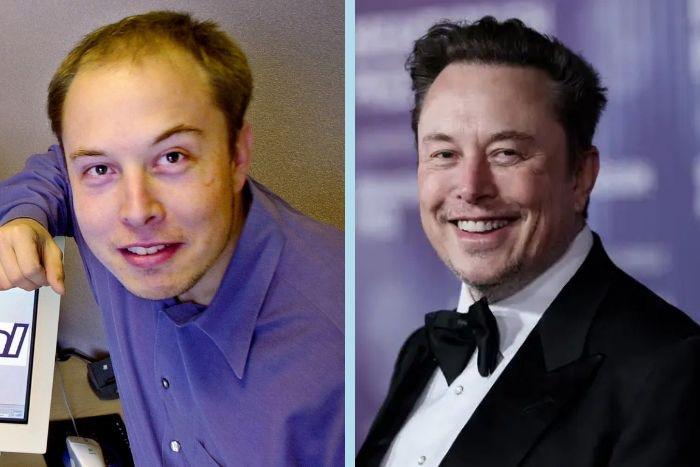
Elon Musk Hair Transplant
Many people see Elon Musk as one of the most successful businessmen in recent years.
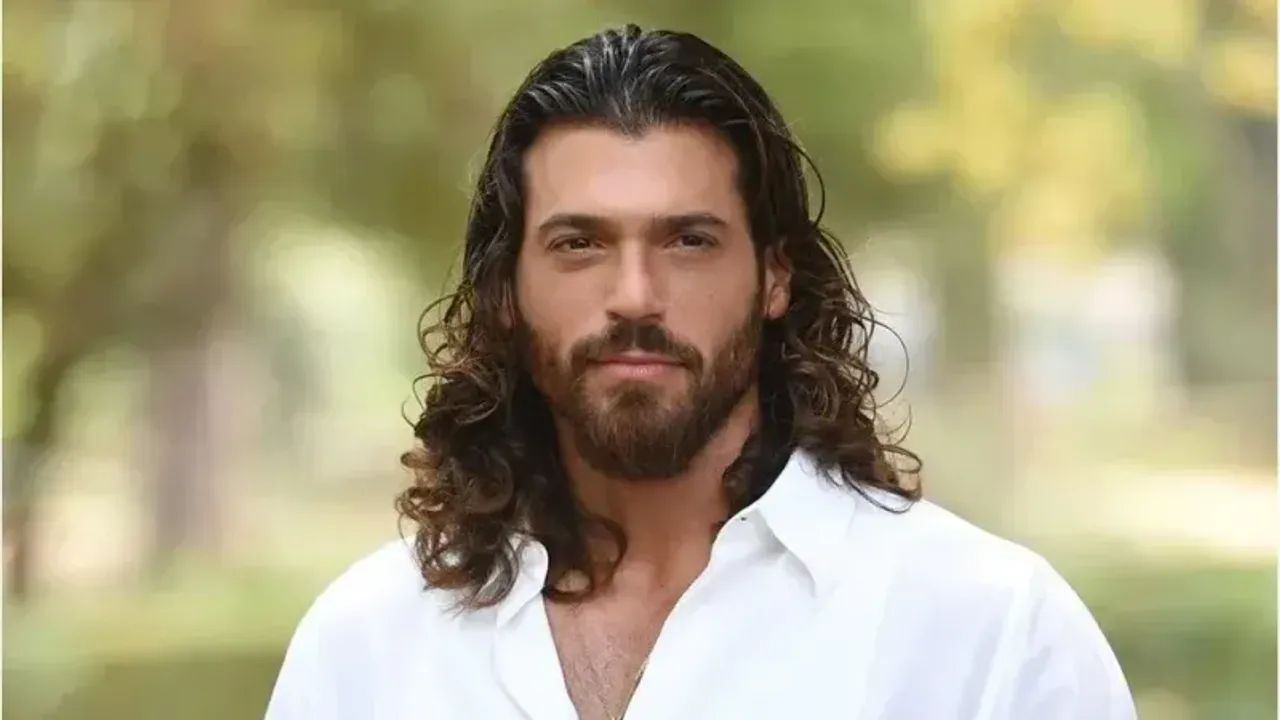
Get the Can Yaman Style
Thanks to the DHI hair transplant Turkey, being as dashing as Can Yaman is no longer an unattainable dream.
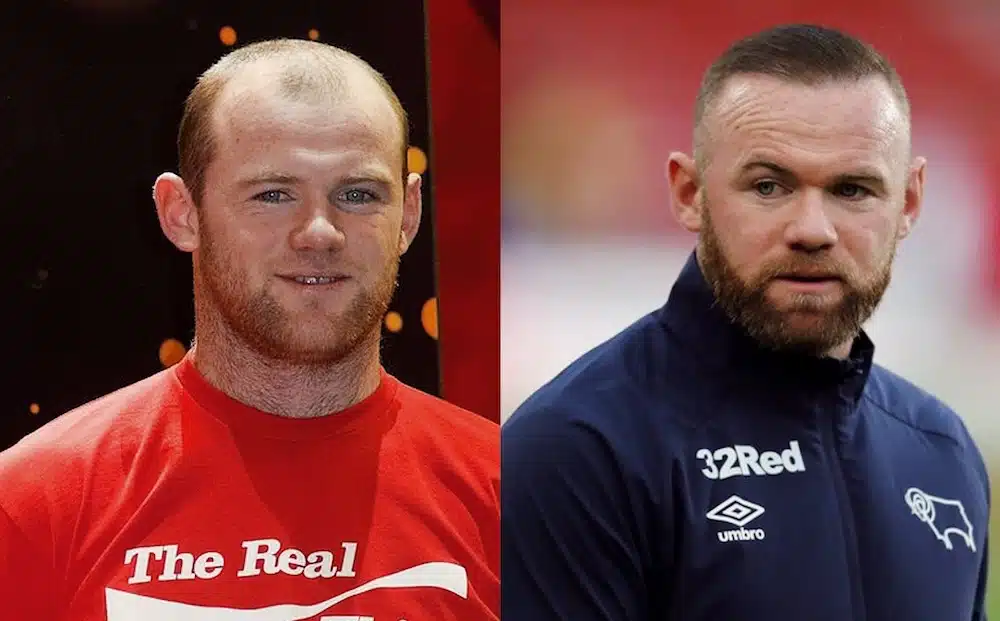
Wayne Rooney Hair Transplant
One of the first people that come to mind when discussing celebrities with hair transplants is football legend Wayne Rooney.
Every patient has unique hair characteristics, donor capacity and hair loss patterns. The above celebrity cases are presented for educational purposes and shouldn't be considered as a predictor of individual results.
Find Out How Many Grafts You Need
Send your photos to Dr. Resul Yaman and receive a personalized hair transplant assessment together with an estimated graft count and treatment recommendation.
Conclusion: Hair Restoration Solutions at Dr. Resul Yaman Hair Clinic
Having graduated from the medical school in Istanbul, Dr. Resul Yaman worked as an emergency physician and dermatologist before concentrating on hair restoration procedure. One of the reasons why he chose this specialization was his own personal experience with hair loss and hair replacement surgery.
Throughout the years, the sight of the patients regaining their confidence strengthened his passion for this field. The expert follows the doctor-involved approach and personally performs the main stages of every procedure, including hairline design and recipient site creation. He never delegates these stages to the technicians.
In order to keep high quality standards, our specialist accepts only a limited number of patients each day. As Dr. Yaman says:
"A successful hair transplant should look so natural that no one realizes you have had surgery."
If you are evaluating "hair transplant before and after results in Turkey", we encourage you to review the authentic patient cases, long-term follow-up results and the level of doctor involvement. This philosophy continues to guide every treatment performed at Dr. Resul Yaman Hair Transplant Clinic.
Frequently Asked Questions About Hair Transplant Before and After Results
Find answers to the most common questions about hair transplant before and after photos, graft counts, natural-looking results, long-term outcomes and hair restoration planning.
How Do You Know if a Hair Transplant Result Looks Natural?
A natural-looking hair restoration depends on more than hair density. All parameters should work together in harmony, including hair angle, graft distribution, hairline design, and donor area management. In addition, the transplanted hair should blend well with existing hair and suit facial structure and age.
How Many Grafts Create a Natural Density?
There is no fixed number of grafts that creates natural density for every patient. It will be conditioned by Norwood stage, hair thickness, donor density, scalp size and recipient sites which require hair restoration.
How Long Do Hair Transplants Last?
Hair transplanted from the donor area is resistant to androgenic alopecia, making this surgery a permanent solution. However, aging and progressing hair loss can change overall hair pattern in the long term.
Can Hair Transplant Before and After Photos Be Misleading?
Light, camera angle, filtering, and photo editing can distort the actual quality of the result. You need to carefully evaluate photos made in similar light conditions with the follow-up results from the clinic.
What Makes a Good Hair Transplant Result?
A successful procedure involves natural hairline shape, healthy grafts' survival, balanced density, and proper management of donor area. You need to take into account the durability of results and surgical planning while evaluating the quality of hair loss treatment.
Why Do Some Patients Have More Successful Results of Hair Transplantation?
It depends on many factors such as hair properties, donor density, scalp size, hair loss pattern. The surgical skills, grafts processing, hairline planning, and post-operative period should also be taken into account.
How Much Coverage Provides 3,000 Grafts?
About 3,000 hair grafts may cover adequately the frontal part of the head and mid-scalp in suitable patients. It depends on hair thickness, hair type, scalp size, and extent of hair loss.
What Do 2,000 Hair Grafts Look Like?
Approximately 2,000 grafts may be enough to restore a receding hairline and hair loss on the frontal part of the head at early stages. Experienced hair surgeon may use this number of grafts for natural hairline formation.
How Many Grafts Are Necessary to Have a Full Head of Hair?
There is no set number of hair grafts for full scalp coverage. It will depend on Norwood stage, head size, hair properties, donor density, desired density, etc. The individual evaluation is required to define it.
Can You Go Bald Again After a Hair Transplant?
Transplanted hair follicles have resistance to androgenic hair loss. However, your own hair without transplantation may still lose density. Proper treatment and planning in advance will help you to preserve the density of your hair in long term.
What Is Success Rate of Hair Transplantation?
The modern hair restoration procedures have high success rate performed by a professional hair surgeon using modern techniques. The success of the operation will be determined by grafts survival, donor quality, surgical planning and health of the patient and adherence to postoperative instructions.
How Many Grafts Can Be Transplanted in a Single Procedure?
For most patients, 4,000 to 4,500 grafts are the limit of what can be done in a single session. However, it will depend on donor supply, scalp condition, and overall treatment plan of the patient.
Is Hair Transplant Surgery Guaranteed?
No ethical clinic can guarantee a specific cosmetic result. Hair replacement results depend on the individual healing, donor properties, hair properties, and development of the hair loss in the future. Comprehensive medical examination will help to determine your realistic expectations.
References
The information presented on this page is supported by peer-reviewed scientific publications and internationally recognized medical literature.
https://doi.org/10.1016/j.fsc.2013.06.001
https://doi.org/10.4103/0974-2077.69014
https://www.ishrs-htforum.org/content/htfi/30/5/local/front-matter.pdf
https://pmc.ncbi.nlm.nih.gov/articles/PMC8611706/
https://doi.org/10.1097/DSS.0000000000004675
https://www.thieme-connect.de/products/ejournals/abstract/10.1055/s-0041-1739245