


Hair Transplant in Turkey with Dr. Resul Yaman
Hair transplant in Turkey has gained a global reputation for its safe procedures, advanced technologies, and experienced surgeons. Dr. Resul Yaman, practicing in Istanbul, is experienced in performing hair transplantation for 18 years. He uses advanced hair transplant techniques and designs natural hairlines.
Patients receive all stages of treatment at Yaman Surgical Medical Center, where safety and care are the main priorities. The medical facility ensures safety of international patients during surgical treatments. Each patient receives personalized operation stages.
The medical team provides a comfortable experience for each patient, which is why understanding the procedure itself is a good starting point. Those looking for a reliable hair restoration in Turkey can schedule a consultation at Dr. Resul Yaman Hair Transplant Clinic to discuss their individual treatment plan.
Experience

Trusted by patients from the United States, United Kingdom, Canada, Australia, Germany and other European countries.
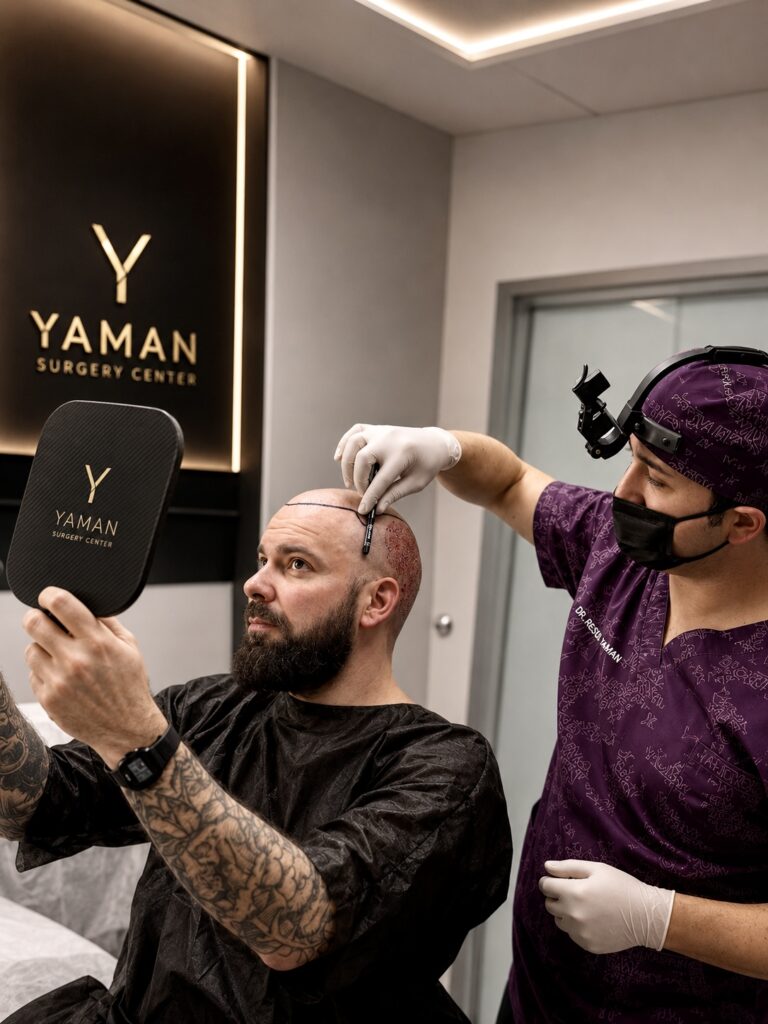
What is a Hair Transplant?
Peer-reviewed scientific literature defines hair transplantation as a minimally invasive surgical treatment based on scientific approaches and technologies. Hair transplantation is a well-known medical and aesthetic procedure used not only to cure male pattern baldness (androgenetic alopecia), but also female hair loss, if required, hair loss due to burns, scars, trauma, etc.
The procedure has been performed and improved for several decades due to the advancements in surgical techniques and experience gained by hair doctors. Hair surgeons extract hair follicles from the donor areas of the patient, namely scalp, beard, and body during a hair restoration session. The hair follicles are implanted into the recipient sites.
Get Free Consultation

Why Do People Choose Hair Transplant in Turkey?
Turkey has been recognized internationally for surgical treatment for hair loss much earlier than many other countries. For this reason, people from Europe, North America, the Middle East, and many other countries have visited Turkey for hair restoration for years. This long-standing experience has provided Turkish hair transplant specialists and physicians with great experience, since they have performed many operations for local and international patients.
All these factors have made Turkey one of the leading countries in hair restoration surgery in the world. Though similar operations are offered nowadays by many countries, none of them can compete with Turkey in terms of clinical experience and price. In particular, Istanbul has become the main center of hair transplant surgeries in Turkey, hosting many of the best surgeons and clinics of Turkey.
Clinical Advantages of Hair Transplantation in Turkey
The following advantages cover both clinical and practical factors that helped the country become one of the most established destinations for hair restoration in the world:
Experienced hair transplant surgeons performing a large number of operations each year.
Advanced techniques like FUE, DHI, and Sapphire Hair Transplant.
Modern medical facilities that comply with Turkish Ministry of Health Standards.
Comprehensive treatment programs designed for international visitors. Moreover, many doctor involvement clinics provide their patients with monitoring after surgery for months. Some clinics provide individuals with correction procedures without additional costs as part of their post-operation policy.
At reputable clinics where patient safety and satisfaction are top priorities, such as Dr. Resul Yaman Hair Clinic, patients can easily contact their doctor directly for medical guidance throughout the post-operative follow-up period.
Multilingual patient coordinators that help international visitors in each step of the journey.
Convenient traveling due to international flights in Istanbul. Istanbul Airport is one of the biggest and the most modern airports in the world, while Turkish Airlines has got an extensive route network, that makes visiting Turkey easy for patients from many countries.
Each patient's treatment program is based on individual features of hair and one's donor capacity.
Competitive prices comparing with many countries in Europe and North America.
Strong medical tourism infrastructure with accommodations and transfer services.
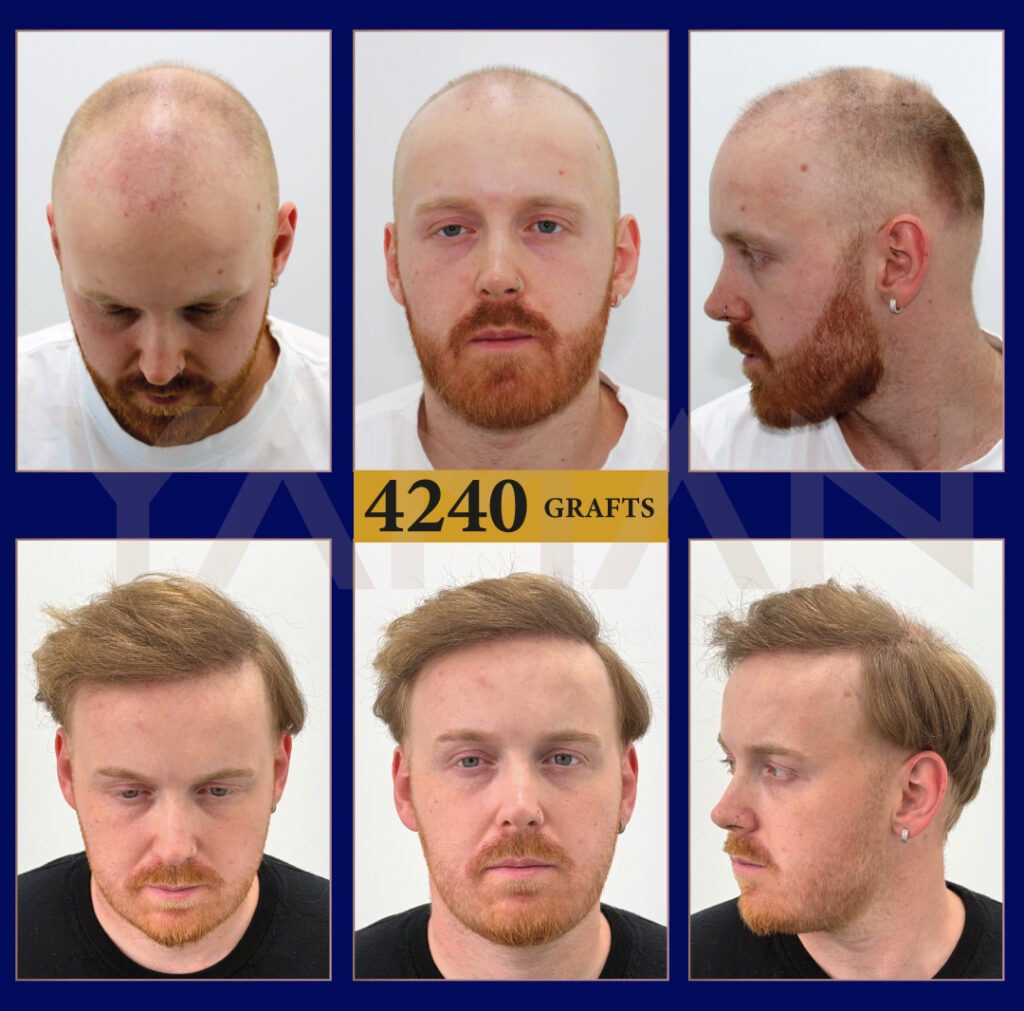
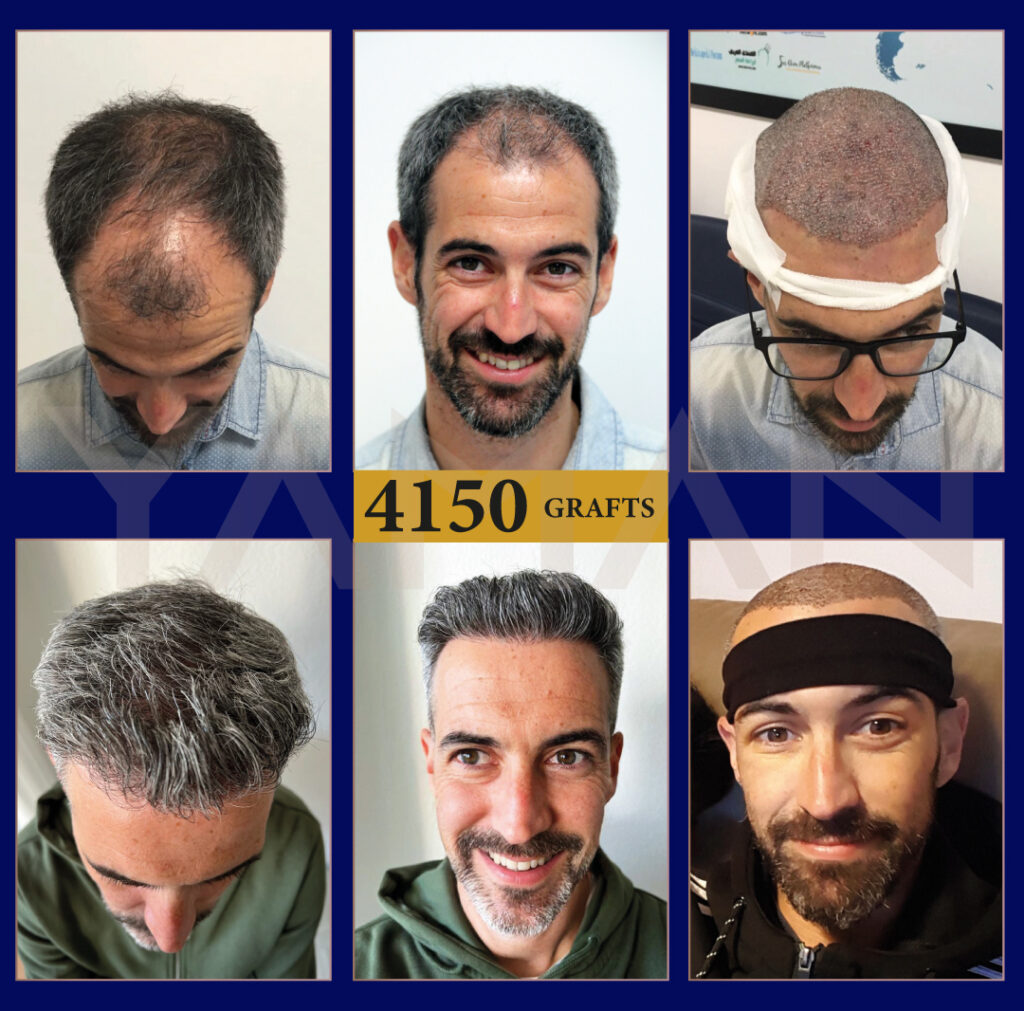
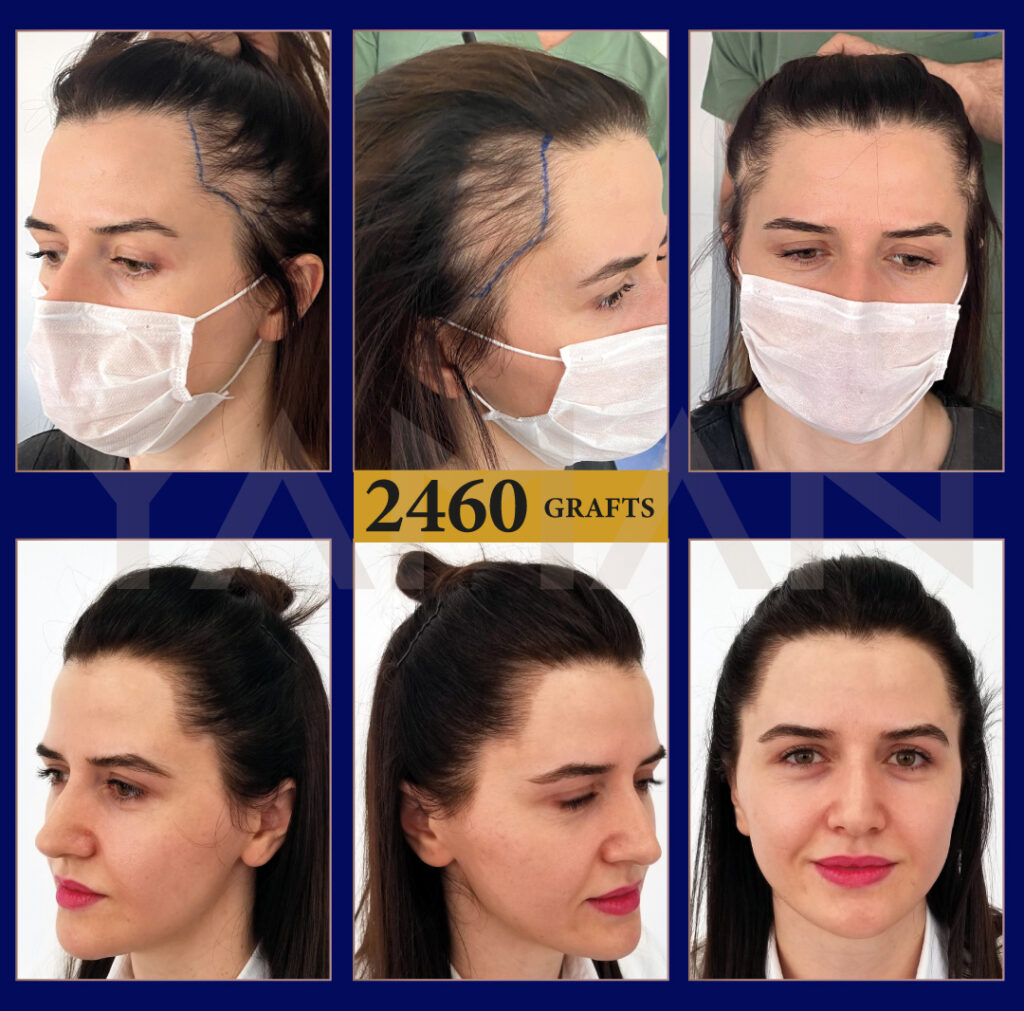
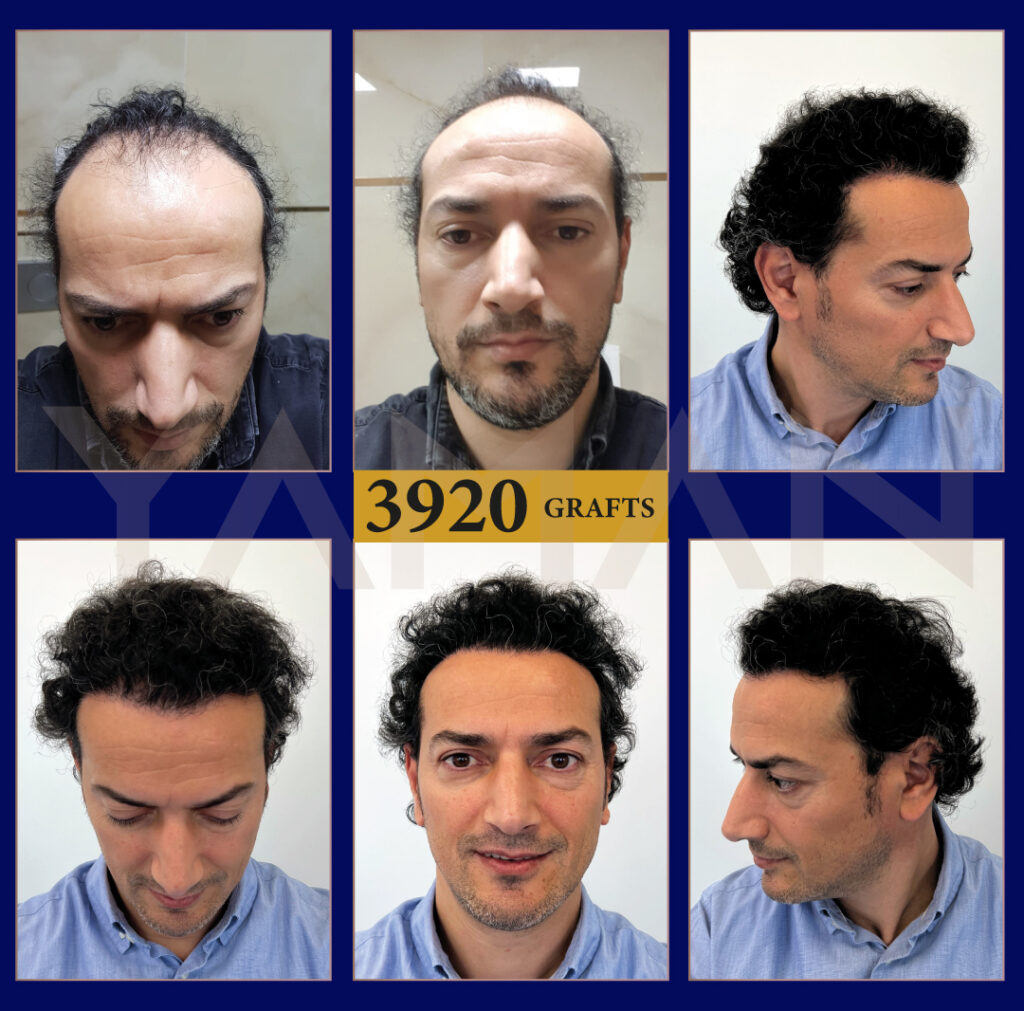
Thousands of before-and-after results that can be seen by the candidates before deciding.
The Ministry of Health in Turkey regularly checks all clinics in accordance with international standards. Advanced medical facilities in Turkey have ensured medical tourism in Turkey to become rapidly developing industry for international patients.
Explore actual hair transplant outcomes achieved at Dr. Resul Yaman Hair Clinic.
Expertise of Turkish Hair Transplant Surgeons
Turkey has many experienced physicians specializing in hair restoration surgery. Since the country has become one of the leaders in hair restoration treatment, the regulation standards have also been improved.
The Turkish Ministry of Health controls medical tourism through the HealthTürkiye platform. Specialist who have appropriate qualifications and clinics that comply with Ministry's standards can be included in this official platform. International patients can check the qualifications, medical specialty, years of experience, language skills, and accreditation of healthcare facilities of the medical specialist on this platform before planning their treatment.
Transparency not only benefits patients in making better-informed decisions but also improves the reputation of Turkey as a reliable destination for medical tourism.
Patients considering different hair transplant clinics are expected to see who actually performs the essential surgical procedures. In clinics with a doctor's involvement, it is either the physician himself or the physician's supervision that guarantees performance of such operations as examination, hairline design, creation of recipient sites, and donor area management, instead of delegating these responsibilities to technicians.
Dr. Resul Yaman has more than 18 years of experience in hair transplantation and follows the physician-led surgical approach. Dr. Yaman is also a registered specialist on the HealthTürkiye platform.
He is known for his thorough treatment planning, individual hairline design, and careful donor area management. Each treatment program is developed for each patient depending on personal hair features, the degree of hair loss, donor capacity, and long-term goals.
Most Common Hair Transplant Techniques in Istanbul
Follicular Unit Extraction (FUE): FUE is the most popular hair graft harvesting technique. It implies taking individual follicular units from the occipital part of the scalp with a special device. In classical FUE, grafts are usually picked up and transplanted using forceps.
Direct Hair Implantation (DHI): DHI is based on placing follicular units into the recipient area of the scalp with an implanter pen. The use of this instrument provides the surgeon with total control over the angle, depth, and direction of each graft that is being implanted. The extraction technique used for the grafts being implanted is generally the Follicular Unit Extraction (FUE) technique; however, if the grafts were harvested via the Follicular Unit Transplantation (FUT) technique then they can also be implanted using the DHI implanter.
Yaman Implanter Hybrid Method: The Yaman Implanter, developed by Dr. Resul Yaman, differs from the standard DHI Choi pen because it has a non-cutting edge. Before implanting, the surgeon creates micro-incisions in the frontal hairline and temple areas of the scalp. The purpose of these micro-incisions is to provide the best possible angles, direction and natural irregularities for the hairs. After this stage, implantation continues with a standard DHI Choi implanter, making the overall process similar to the conventional DHI technique.
KEEP Technique: The KEEP technique uses the special non-cutting edge implanter designed by Dr. Erdoğan. The recipient sites are prepared by creating micro-incisions and the grafts are implanted into the recipient sites using the KEEP implanter.
Sapphire Hair Transplant: Sapphire blades are used to prepare recipient sites as they are exceptionally sharp and capable of making a precise incision in the scalp. As a result, the blades are able to make clean incisions in the scalp of appropriate size and thus cause minimal tissue damage to the patient and improve the healing process.
Follicular Unit Transplantation (FUT): FUT implies removal of a strip of the scalp from the donor area and its microsurgical dissection into follicular units. The disadvantages of the procedure include a linear scar in the donor area; therefore, it is rarely performed today.
Advanced Hair Transplant Method by Dr. Resul Yaman
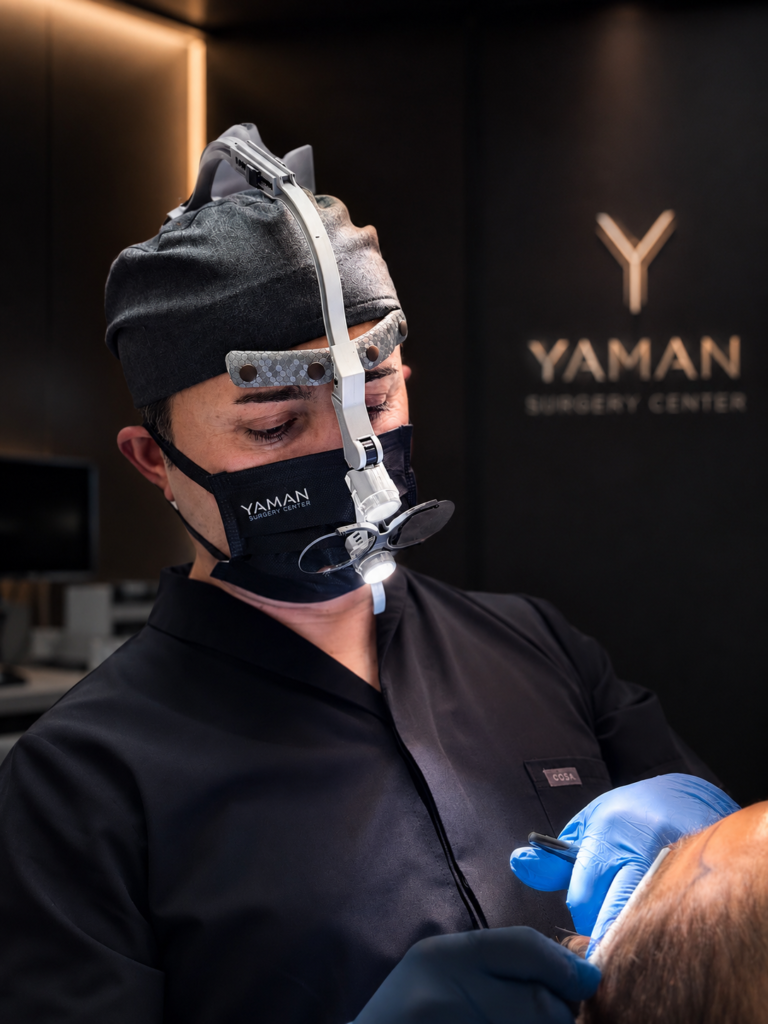
A successful intervention depends on the thorough planning, proper surgical techniques, and consistent doctor involvement during the whole process. Using his extensive clinical experience for many years, our surgeon has developed his own graft implantation protocol called Yaman Implanter Methodology.
Instead of using a single implantation technique, this technique uses different surgical instruments and methods depending on the anatomical features of each scalp area. All stages, from the initial examination till grafts' implantation, are individually planned in order to achieve the natural density while preserving the donor hair.
This methodology follows a set protocol with the following stages.
Comprehensive Hair and Scalp Assessment
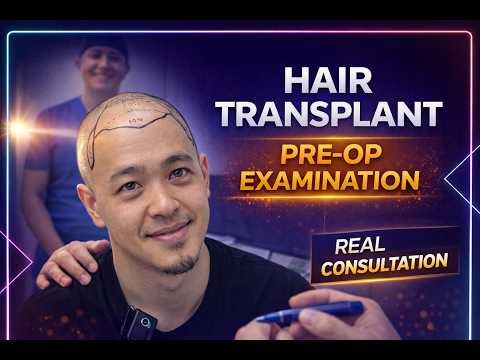
Each successful treatment begins with a comprehensive medical assessment, and not the procedure itself. Prior to the surgery, the physician assesses hair loss pattern, donor hair quality, scalp condition, and patient's long-term expectations. This examination helps to understand whether the patient is suitable for the operation and allows to develop an individual treatment program.
Dr. Resul Yaman performs a comprehensive trichological examination of both the donor and recipient areas. The hair density, shaft thickness, scalp elasticity, and donor zone size are carefully examined. Then the recipient area is also assessed in order to estimate the number of grafts required for the hairline, frontal area, and crown.
The hair characteristics have an impact on the planning of the procedure. For example, two patients having the same Norwood classification can require different numbers of grafts because thick hair provides better visual cover than thin hair.
In case of advanced hair loss, additional donor sources – beard or chest hair – are also assessed, if it is appropriate. Dr. Yaman considers such factors as age, gender, history of androgenetic alopecia in the family, and the likelihood of hair loss in the future in order to develop an individual treatment strategy.
FUE Graft Extraction with Micro Punches
Preservation of the donor area is one of the key aspects of successful follicular implantation methods. The goal is to extract healthy follicular units and preserve the natural appearance of the donor area and grafts for the future, if necessary.
Before the extraction procedure, the medical professional determines the safe donor area, which is usually placed on the occipital region of the head. Hair density, follicular distribution and donor area stability are evaluated in order to determine the amount of grafts that can be safely extracted without overharvesting.
Depending on the patient's hair characteristics and the structure of the scalp, the extraction is performed using 0.7 mm or 0.8 mm micro punches. Small punches minimize the trauma of the tissues and reduce the visibility of extraction sites after healing.
Dr. Yaman personally supervises the extraction process, monitoring both the number and distribution of harvested follicular units. The modified low-speed micromotor is used in order to minimize the mechanical stress on follicular units, to preserve the grafts' quality, and to protect the donor area.
Personalized Hairline Design
Hairline design is one of the key factors determining how natural the surgical treatment for hair loss will look. Instead of using a standardized pattern, an experienced surgeon designs an individual hairline considering the patient's facial features, age, gender, and hair characteristics.
Dr. Yaman personally performs each hairline design prior to the surgery. The planning takes into account facial proportions, forehead shape, ethnicity, hair distribution, and the future development of the hair loss. Such an individualized approach helps to achieve natural-looking results.
Though hairlines are sometimes described as M-shape or V-shape, the natural hairline varies considerably from person to person. That is why our surgeon designs each hairline according to individual anatomical features and not according to templates.
To increase the reality, macro- and micro-irregularities are included into the design, and single hair follicular units are implanted along the frontal transition zone. This helps to achieve the natural looking hairline that blends well with the surrounding hair.
Sapphire Blade Recipient Site Creation
Recipient site creation determines the angle, direction, and natural appearance of the transplanted hair. That is why it is one of the most technically challenging stages of the implantation technique and should be performed precisely.
As a part of physician-led approach, Dr. Resul Yaman personally creates all recipient sites in the frontal area using sapphire blades. The sharp and strong edge of the sapphire blade allows to make fine and precise incisions with minimal damage of the tissues and reducing the risk of visible scarring. It may provide a proper graft placement and support the natural healing process.
Special attention is paid to the frontal transition zone, where the hair naturally grows with the changes in angle and direction. All the incisions are planned according to the patient's hair growth pattern to create the soft and irregular hairline, but not the artificial straight line.
Since the quality of recipient site creation has a significant impact on the aesthetic result of the hair transplant, Dr. Yaman performs this important stage himself, instead of delegating it to assistants.
Yaman Hybrid Implantation Methodology
After the recipient sites have been prepared, the implantation stage begins. During this stage, precise placement of each follicular unit according to the treatment program developed during the initial examination is required.
The surgeon follows his own Yaman Hybrid Implantation Methodology that uses two different implantation techniques depending on the anatomical characteristics of each scalp area.
In the frontal hairline, where the angle and direction of hair growth require special precision, grafts are implanted using the Yaman Implanter. The device has been developed to provide a controlled grafts' placement and to maintain the natural flow of the hairline.
For the crown, the implantation continues using the DHI implanter pen. The thicker tissue of the scalp in these areas allows to apply this technique effectively and to obtain a precise graft placement.
During the whole implantation stage, grafts are distributed according to the treatment program developed during the examination. The number of grafts allocated to each anatomical region and per square centimeter is constantly monitored to achieve balance and natural appearance of the density.
Instead of applying the single implantation technique to all patients and all scalp areas, Dr. Yaman adapts his surgical approach to individual anatomical features and to the specific requirements of each area. This physician-led methodology is aimed to maximize the survival rate of the grafts, to create natural hair growth pattern and to preserve the donor area in the long term.
Hair Loss Treatment in Our Clinic
The personalized procedures that we perform in our clinic are as follows.
The Hair Transplant Process in Turkiye
Each stage of the procedure builds on the last, from consultation through recovery. All stages of the clinical process are clearly explained to the candidates. This is done to make patients aware of the surgical stage. This helps to reduce anxiety of the international visitors.
Initial Consultation
The first stage of the hair restoration treatment procedure is the hair transplant consultation. In this stage, the pattern of hair loss is analyzed. Besides, photographs are taken, and scalp assessment is performed. After that, the treatment is planned. The candidates from different countries can schedule an appointment online. They can send photographs of their scalps.
Preoperative Preparation
The preoperative preparation is provided for each individual before performing the hair follicle surgery. They are informed about the medications that should be taken. The patients are advised not to smoke before the surgical treatment. Besides, patients are not allowed to consume alcohol before the clinical process. They are informed about the necessity of hydration by drinking plenty of water. They are advised to eat properly.
Surgical Procedure
During the follicle transplantation procedure, the patients are provided with local anesthesia. This makes them awake, but without experiencing any pain and discomfort. After that, the donor area is extracted. For FUE hair transplant, the grafts are extracted individually, while in DHI the grafts are implanted directly.
Post-Operative Care
In this stage, patients are kept under observation. Instructions regarding sleep, washing, exercise, etc., are provided. Recipients are also warned about shock loss, which is a normal part of hair growth.
Recovery and Hair Growth Timeline
Hair restoration procedure is the surgical intervention that provides visible change in the person's appearance. Since the transplanted hair is supposed to last forever, there are recommendations to follow both before and after the operation. If you choose a reputable and experienced medical centre, you will be guided during all the stages of the treatment.
Hair transplant recovery process and the time that is required for the full hair growth are relatively long. This is one of the characteristics that distinguish follicular restoration from many other surgical treatments.
Understanding what to expect from your hair growth process can help in your recovery. Recovery begins right after surgery, and the healing timeline includes the following stages:
First Ten Days After Surgery
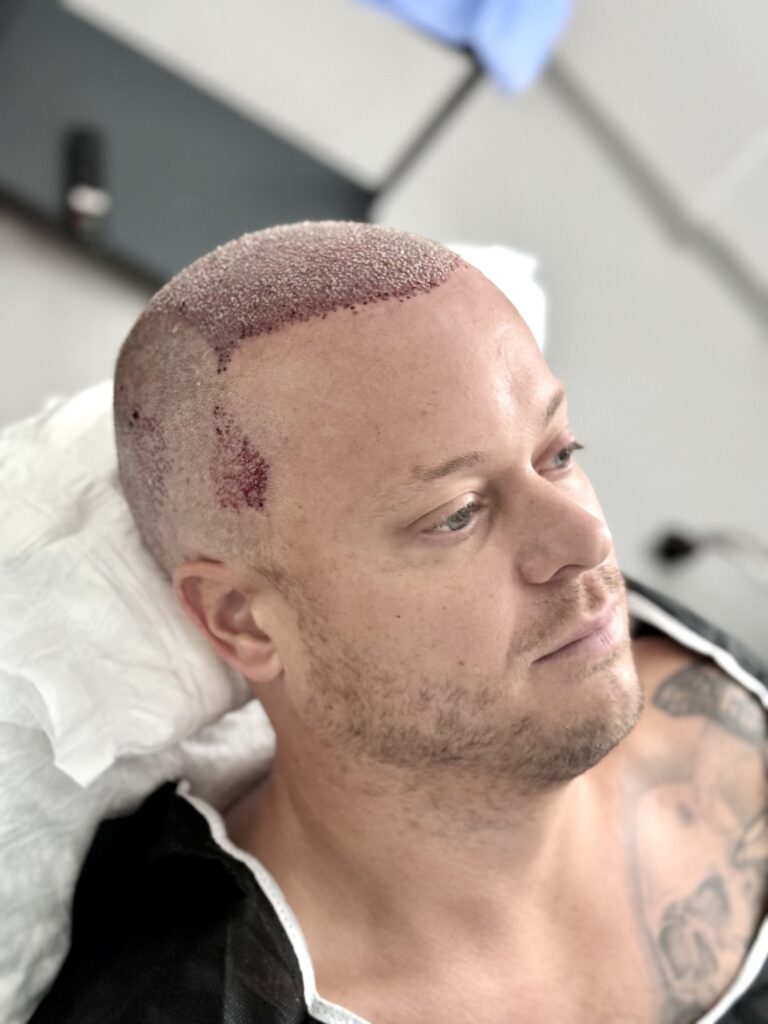
During the first week after your hair restoration surgery, you can expect swelling and redness. There will also be the small crusts that appear on the transplanted grafts. However, these crusts will disappear in a couple of days.
Avoiding rest and unnecessary outdoor activities in the first three days can help in reducing the swelling and support the early healing process. The first hair wash is performed at the clinic after the procedure, and the patient is taught how to wash the scalp properly at home.
First Three Months After Surgery
Shock loss generally occurs during the first month after the procedure.This hair loss is a natural part of your hair growth. Shedding may occur in both recipient and donor areas during the recovery period. The extent and localization of the shock hair loss are different for each patient. After three months, the new hair growth will start gradually.
During this period, patients are encouraged to drink plenty of water, protect the scalp from injury or trauma, and take multivitamin supplements if prescribed by their physician.
Progress at Six to Twelve Months After Surgery
Noticeable hair growth typically begins around six months. Density of your hair will gradually increase during the next six months. At the end of twelve months, patients will see the final results of the graft implantation.
During the recovery period, patients can also be prescribed by the medical specialist certain medications and multivitamin supplements for the purpose of healing and hair growth.
Side Effects of Hair Transplant Surgery
Surgical treatment for hair loss is a safe procedure if it is performed by a qualified surgeon in the medical facility.
Common Side Effects
The side effects that temporarily occur for a number of patients are considered to be the natural healing process.
Swelling can occur on the forehead and eye area within the first days after the operation.
As the scalp heals after the procedure, the small scabs may appear around the grafts. This scabbing will disappear in 10-14 days.
Itching on the scalp due to the healing process is normal. The itching can be reduced with shampooing with the recommended products.
Some patients experience a temporary loss of the grafts that were transferred to the scalp as well as the natural hair that was not transferred. This is normal as the new hair will grow within a few months.
The temporary numbness of the area from which the hair was extracted and of the area to which the hair was transplanted is normal. This will disappear after the nerves heal and regenerate.
Less Common Side Effects
Some hair transplant surgery complications can occur due to the procedure.
Infection: Though infections are uncommon, they may occur if the scalp is not cleaned properly or the post-operative instructions are not followed. The early medical treatment usually solves the problem.
Folliculitis: Folliculitis is usually mild and often disappears independently or is solved with medical treatment, if necessary.
Scalp Pimples: Some patients may develop the temporary scalp pimples during the healing process as the transplanted hairs start growing. They are usually harmless and disappear without any effect on the final result.
Donor Area Necrosis: Donor area necrosis is a very rare complication in which a small area of the skin lacks the blood supply during the healing process. Careful planning of the procedure, proper graft harvesting, and avoiding the tension on the scalp help in reducing the risk.
Scarring: Scarring is not a problem anymore due to the new techniques that are used in hair restoration treatment. The scars will fade away soon.
Donor Overharvesting: The extraction of too many grafts from the donor area may reduce hair density and cause uneven appearance. Proper management of the donor area and accurate graft planning are required in order to preserve the donor area for both current and future procedures.
Prolonged Numbness: Though the temporary numbness of the scalp is common after the operation, in a number of patients it may persist for several weeks or months until the sensory nerves recover. In most cases, the sensation gradually returns without any additional treatment.
It is expected that all the complications mentioned above can be avoided with the help of the skilled doctor. Patients who follow post-operative instructions and choose a qualified clinic give themselves the best chance of a safe procedure and natural-looking results.
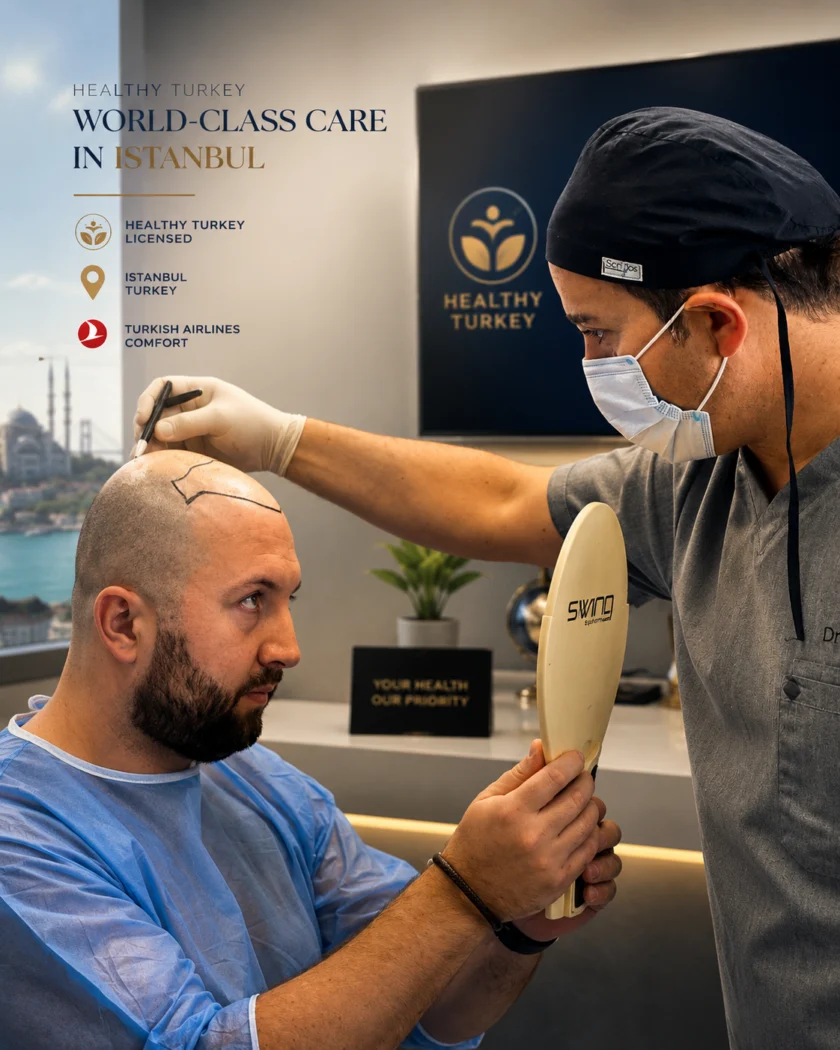
Reputation of Turkey Hair Transplant Results- Turkish Airlines
Turkey has gained international reputation for hair transplant surgery, and many public figures, including athletes, musicians, influencers, and actors, have reportedly chosen Turkey for treatment.
People often talk about celebrity hair transplants in Turkey on social media, Reddit, and online forums. They share before-and-after pictures, personal stories, and reviews. If you are thinking about getting a surgical restoration treatment, you can find many patient reviews on trusted websites and forums.
When evaluating hair transplant before-and-after results, it is necessary to go beyond impressive photos. Individuals should check qualifications, clinical experience, and involvement in the procedure of the physician. As in any country that offers hair replacement surgery, misleading or heavily edited photos may sometimes be encountered.
However, Turkey is the country of many experienced medical specialists who have graduated from accredited medical colleges and perform the critical stages of the surgery themselves. Many reputable clinics will provide you with actual before-and-after galleries demonstrating the consistent results of their procedures.
Norwood Classification Case Studies
The Norwood scale is the most widely used scale for measuring the severity of hair loss, especially androgenetic alopecia. Using this classification, it is possible to understand how far your hair loss has progressed. It measures different stages of hair loss by assigning specific grades, ranging from a high forehead or receding hairline to advanced baldness.
In fact, the Norwood scale is important in determining how many grafts a patient may need. The Norwood scale is graded from 1 to 7. If your Norwood grade is lower, hair loss treatment can usually be performed with fewer grafts. However, if your Norwood grade is higher, it generally means that you will need more grafts.
Norwood2-Norwood5 Hair loss
The patients who have different Norwood classification stages of baldness receive treatment from the hair transplant clinic in Turkey. However, most candidates seeking surgery fall between Norwood2 and Norwood5. This range provides sufficient donor capacity, and the average amount of baldness allows for optimal and effective planning.
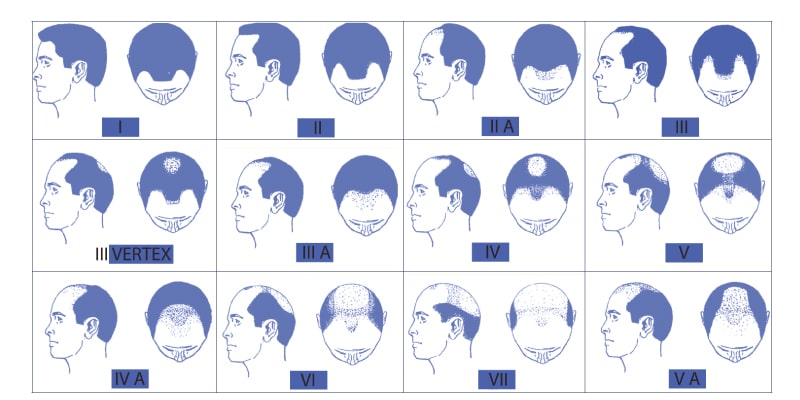
Advanced Norwood Cases and Mega Session Planning
Turkey has become one of the leading destinations for patients requiring high-graft hair transplants, thanks to its experienced physicians and specialized surgical teams. Compared with many other countries, advanced hair restoration procedures involving large graft numbers (4000 grafts-4500 grafts) are performed more frequently, allowing specialists to gain extensive clinical experience in treating advanced hair loss.
For advanced hair loss such as Norwood 6 and Norwood 7, the entire treatment process may be different. Therefore, you should consult your doctor.
Dr. Resul Yaman and other Turkish hair doctors have extensive experience in managing advanced Norwood hair loss. Depending on the patient's donor capacity, scalp characteristics, and treatment goals, he performs mega-session and two-session hair transplant procedures at his fully equipped hospital-based clinic. For these clinical process, beard hair and body hair may be used as secondary donor sources.
Mega sessions can also be performed over two consecutive days of surgical interventions. This is good because the number of grafts that can be conducted is higher compared to conducting only one session.
A two-stage procedure can also be performed, one year apart, so that the patient has enough time for recovery after the first session and at the same time ensures the density of the hair in the donor area. Each treatment plan is tailor-made to ensure natural appearance and preservation of the donor area.
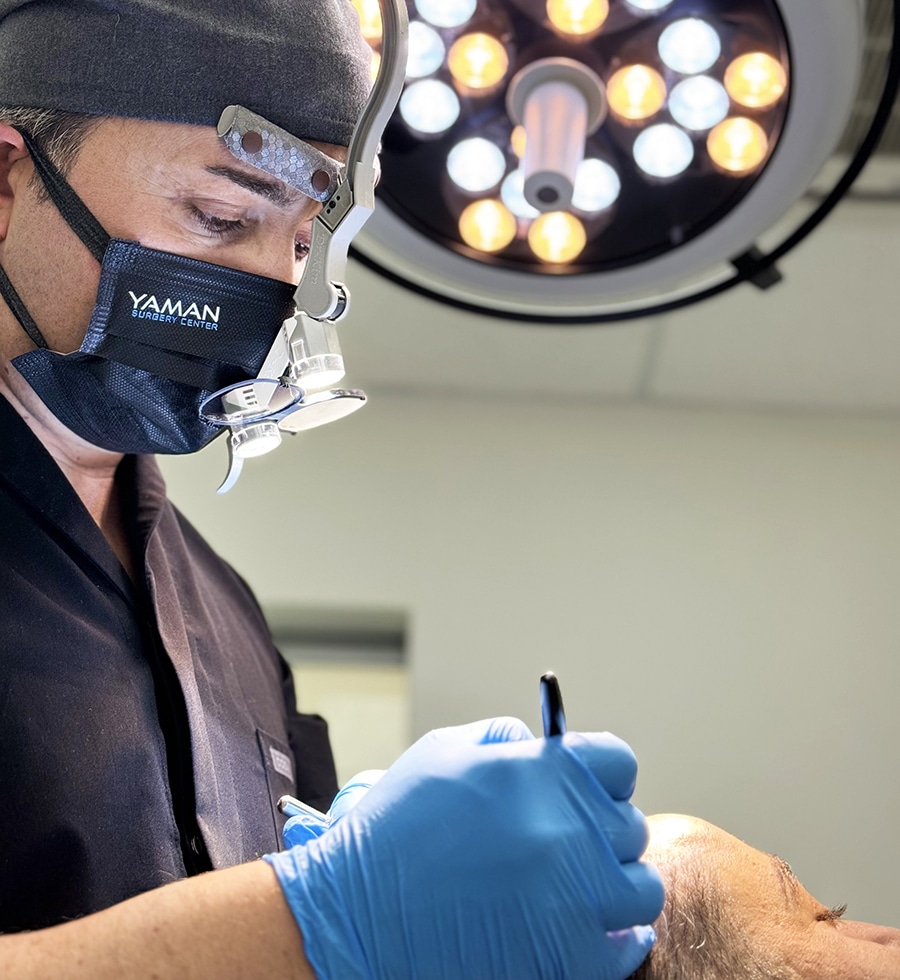
Medical Protocol and Safety Procedures
Patient safety is the foundation of each hair restoration procedure. Turkey is considered to be one of the leaders in medical tourism, which is supported by the comprehensive regulation and regular inspection carried out by the Turkish Ministry of Health.
International patients are encouraged to choose the accredited healthcare providers from the HealthTürkiye platform and the physicians who follow the doctor involvement approach, personally performing the critical stages of the surgery and providing natural-looking results.
At Dr. Resul Yaman Hair Transplant Clinic in Istanbul, each procedure is performed according to the established medical protocol and international standards of the patient care. Dr. Yaman follows the doctor involvement approach by personally performing all critical stages of the surgery, including patient evaluation, hairline design, recipient site creation, donor management, and supervising the graft implantation.
The surgical procedure is performed in a fully equipped hospital using modern medical equipment and strict sterilization protocols. The local anesthesia is applied by qualified healthcare professionals, and the patient's safety is monitored during the whole operation.
Pre-operative evaluation of each patient involves a number of tests, such as blood test, blood pressure measurement and electrocardiogram (ECG), if required. This allows confirming the safety of performing the procedure.
Cost of Hair Transplant in Turkey
Turkey Hair Transplant is mostly conducted in clinics offering inclusive services to the foreign patients. Instead of charging the price per graft, clinics provide a total package, which takes into account all the aspects both medical and logistical ones. In this way, patients become aware of their hair transplant in Turkey cost before their trip. Hair transplant prices in Turkey vary across a wide range. Although the average cost is around $3,000–$4,000, prices may range from as low as $1,000 to as high as $12,000 depending on the clinic, surgeon, and treatment plan. Lower-priced procedures are often performed under a teammate surgery model with limited physician involvement. In Ministry of Health-approved clinics that offer significant doctor involvement, the cost typically ranges between $1 and $3 per graft. Transparent pricing helps patients make informed decisions based on quality as well as cost.
What is Included in Hair Restoration Packages at Dr. Resul Yaman Clinic
Hair transplant packages offered by our clinic in Istanbul include a variety of services. This will make it easy for international candidates to undergo Turkey hair transplant journey. Some of the services that the hair restoration clinic in Turkey will offer to its international visitors include:
FAQs
Is it Safe to Have Hair Transplant Turkey?
Hair transplantation Turkey is conducted under the requirements of the Ministry of Health and international standards. Each step is carefully planned to make you feel comfortable and safe in Dr. Resul Yaman's Hair Transplant Clinic.
Is There an Emergency Department and Medical Equipment at the Hospital?
Yes. Our clinic works in an accredited boutique hospital which has an emergency department and all necessary medical equipment in case of unexpected situation. You will receive the well-equipped clinical environment with security measures, medical assistance 24/7 and multidisciplinary healthcare services if needed.
Is an Anesthesiologist Available at the Clinic?
Yes. Our clinic has professional anesthesiologists who are able to assist you in your procedure. Prior to the procedure, the medical specialist studies your health status and medical history. Thus, he can select the optimal method of anesthesia and control your condition throughout the entire treatment process.
Will I Feel Pain during the Hair Transplant?
Local anesthesia is used during the procedure. So, the patient is conscious but feels no pain. After the procedure, the discomfort may occur but it passes soon.
How Much Doctor Involvement Is There During the Procedure?
The surgeon personally examines the patient, creates his hairline, plans the procedure, conducts the surgical steps and controls the treatment process.
Is Hair Transplant Permanent?
Yes, transplanted grafts are generally resistant to hair loss. However, in some cases, another session may be required in the future depending on the patient’s hair loss pattern, donor area, and expectations.
How Many Grafts Will I Need?
Our specialist calculates the number of grafts needed for your particular case. Comprehensive examination is conducted considering different factors including the stage of hair loss, the condition of the donor area, hair density and the expected result.
How much do 3,000 Hair Grafts Cost in Turkey?
The 3000-graft transplant is performed in one session and includes pickup and transfer from/to the airport. Accommodation and interpreter are also provided. Such basic services as examination, necessary medical tests, the surgery, follow up after the surgery and shampoo and lotion kit are included in the package price.
Do You Perform Mega Sessions? How Much Does It Cost?
Yes. Prior to the recommendation of performing "mega sessions", the surgeon comprehensively examines the recipient area, the donor area and the general condition of the scalp. Good general condition of the patient is also very important. Prior to performing the procedure, the necessary medical tests are performed in order to guarantee its safe conduct. If all these requirements are met, the advanced cases can be successfully treated using mega sessions. As the cost depends on the number of grafts and the treatment plan, it is advisable to consult online and to obtain the individualized quotation.
What's the Best Age for Hair Transplants?
For many patients, the ideal age is after 25 years old, when the pattern of hair loss is usually easier to assess. Nevertheless, age is only one of the factors. The general condition of the patient, the donor area condition, hair density are also considered by the surgeon before recommendation of the treatment.
Are There Any Risks Associated with Hair Restoration Surgery?
Like any surgical procedure, this intervention may have some complications. They include swelling, shock loss, folliculitis, infection, or excessive graft harvesting. In order to minimize procedure-associated risks, it is necessary to conduct comprehensive medical examination and preparation of the treatment by a qualified specialist. Moreover, the surgeon should perform the main stages of the procedure and control the treatment process.
Do You Use Body Hair as a Secondary Donor Source?
Yes. In some cases, the use of body hair as a secondary donor resource is possible. These cases are selected among those patients who have insufficient amount of hair in the donor area and are good candidates after the preliminary medical examination.
Do I Have to Shave My Hair Before the Procedure?
No, not always. We provide unshaved option for some patients. However, shaving of the treatment area is usually beneficial in order to work better during the procedure and achieve dense and even graft placement.
Can I Have Hair Transplantation During Summer?
Yes. The season is not the limiting factor here. The key point is to protect your scalp from direct sun exposure during the recovery period. Summer can be a good time, especially if you don't work outdoors or plan to spend long hours in the sun. The sweating alone does not cause harm to the new grafts.
What is the Difference between the Yaman Implanter and a Standard DHI Choi Pen?
The main difference between the Yaman Implanter and the standard DHI Choi pen is that the Yaman Implanter has a non-cutting tip and helps create a more natural-looking frontal region by providing better control of hair angle and direction. The standard DHI Choi pen is generally used in the crown area, where the thicker scalp makes it a more suitable option.
Contact and Consultation
For candidates who are considering a hair restoration in Turkey, a consultation is the first logical step. Requesting a free hair analysis and a complete treatment plan will provide them with all the information they need before making a decision. It offers support through email and phone. The contact information is available on the website.
Located inside Dr. Yaman's accredited boutique hospital, the clinic offers patients access to an advanced healthcare environment. Equipped with dedicated surgical suites, emergency medical services, and experts from 15 different medical specialties, the facility supports high standards of safety and multidisciplinary patient care.
Dr. Resul Yaman and his team have the expertise in the field of minimally invasive hair surgery along with personalized care. Their approach to hair replacement surgery is safe, natural-looking, and patient-satisfying. Patients who want to have hair transplant in Turkey can trust the clinic as it has already proven itself in the field.
References
Goldin, J., Zito, P. M., & Raggio, B. S. (2025). Hair Transplantation. In StatPearls. StatPearls Publishing.
https://www.ncbi.nlm.nih.gov/books/NBK547740/Sharma, R. (2019). Follicular Unit Extraction (FUE) Hair Transplant: Curves Ahead. Journal of Maxillofacial and Oral Surgery, 18(4), 509–517.
https://pmc.ncbi.nlm.nih.gov/articles/PMC6795649/Norwood, O. T. (1975). Male Pattern Baldness: Classification and Incidence. Southern Medical Journal, 68(11), 1359–1365.
Kerure, A. S., & Patwardhan, N. (2018). Complications in Hair Transplantation. Journal of Cutaneous and Aesthetic Surgery, 11(4), 182–189.
https://pmc.ncbi.nlm.nih.gov/articles/PMC6371733/Garg, A. K., & Garg, S. (2021). Complications of Hair Transplant Procedures—Causes and Management. Journal of Cutaneous and Aesthetic Surgery, 14(4), 355–367.
https://pmc.ncbi.nlm.nih.gov/articles/PMC8719980/Wallace, H. A., Basehore, B. M., & Zito, P. M. (2023). Wound Healing Phases. In StatPearls. StatPearls Publishing.
https://www.ncbi.nlm.nih.gov/books/NBK470443/Campbell, F. A., Clark, C., & Holmes, S. (2003). Scalp necrosis in temporal arteritis. Clinical and Experimental Dermatology, 28(5), 488–490.
https://pubmed.ncbi.nlm.nih.gov/12950333/Avram, M. R., & Rogers, N. E. (2009). Contemporary hair transplantation. Dermatologic Surgery, 35(11), 1705–1719.
https://pubmed.ncbi.nlm.nih.gov/19674037/Parsley, W. M., & Perez-Meza, D. (2010). Review of Factors Affecting the Growth and Survival of Follicular Grafts. Journal of Cutaneous and Aesthetic Surgery, 3(2), 69–75.
https://pmc.ncbi.nlm.nih.gov/articles/PMC2956960/Salanitri, S., Gonçalves, A. J., Helene Jr, A., & Lopes, F. H. J. (2009). Surgical Complications in Hair Transplantation: A Series of 533 Procedures. Aesthetic Surgery Journal, 29(1), 72–76.
https://pubmed.ncbi.nlm.nih.gov/19233009/Avram, M. R., & Rogers, N. E. (2008). Hair Transplantation for Men. Journal of Cosmetic and Laser Therapy, 10(3), 154–160.
https://pubmed.ncbi.nlm.nih.gov/18608704/Contact Us