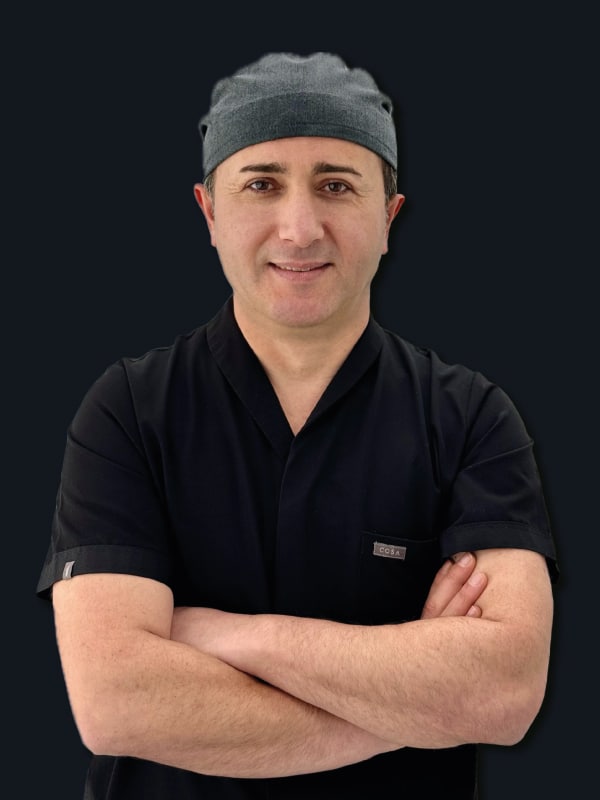
At our clinic, the post-operative follow-up and monitoring is just as valuable as pre-operation and surgery stages. Hair transplantation process does not stop once the procedure is performed. Even when you return to your home country, you can still contact our patient coordinators via our communication channels, email, WhatsApp, and Instagram. All our communication accounts are controlled by Dr. Resul Yaman who can access all patient communication records.
The Yaman CRM program reminds the responsible clinic staff to contact patients on the 10th day and at the 1st, 3rd, 6th, 9th, and 12th months after a patient's operation. It then sends messages to patients through the communication channel they previously used to contact our clinic. Patients should answer these messages. We ask for new photographs to check their current status. If patients do not send us any photographs, we try to contact them through other communication channels. But what is the purpose of monitoring hair growth progress on the 10th day and months 1, 3, 6, 9, 12?
Post-Operative Day 10
By the 10th day, puncture sites, redness, and scabbing of the patient should be cleared. We check whether patients have properly washed their head according to instructions and all scabs are fallen and there are no signs of redness and scars, so the patient's head has completely clean look.
First Month
The shock loss process starts on the 1st month. Patients become concerned when their transplanted hair falls out. Sometimes shock loss can also affect donor area. This may increase the patient's anxiety further. During this period, Dr. Resul Yaman assures patients that they have nothing to be worried about because this is a natural process. Also, he monitors the situation. If the patient needs dermatological or medical help, doctor gives recommendations.
Third Month
At the third month the transplanted hair is growing in the new hair growth cycle. This is the best period to check whether patients will need multivitamin supplements and finasteride or minoxidil. During this period patients should also pay attention to our clinic's messages. Also, it will be useful for patients to take and send us photographs of their current condition.
Sixth Month
The sixth month is the stage of early results. At this stage usually some patients start noticing visible changes. If results are insufficient, the dosage of supportive treatments can be increased. This stage is very important since if the supportive treatment will start after some period, it will not bring positive results. That is why sixth month is a critical stage of supportive treatments.
Ninth Month
By the ninth month about 85–90% of transplanted hairs grow. It is also the period when our clinic shares patient satisfaction with the process. Patient takes and sends us photographs of their results. Receiving these photographs and seeing the results also makes doctor happy.
Twelfth Month
The twelfth month is the stage of final result evaluation. We check the clinic's success rate and patient satisfaction rate. Parameters like hair thickness and influence of scalp's condition observed during the examination are also checked. At the 12-month stage, our clinic gets a chance to evaluate its clinical success rate.
Daily Routines and Personal Care After Hair Restoration
Patients should avoid showering immediately after hair transplantation and follow the clinic's instructions about the first hair washing. In the early days, the recipient area needs to be kept from direct water pressure and friction. It is advisable to avoid hair dryers in the early postoperative period and use them on a cool or low-temperature setting once the scalp is recovered enough.
It is necessary to postpone hair dyeing until both donor and recipient areas are fully healed, which usually takes at least 6-8 weeks depending on medical approval. If a patients plan to wear a hat, they need to select a loose and clean hat which will not touch the transplanted hair grafts. Appropriate headwear can be worn after first 10-14 days postoperative days. Patients also need to postpone combing hair until the grafts are well secured, starting with gentle combing that will not involve the recipient area. Smoking and alcohol consumption should be avoided in the first days because they may impair circulation and healing. Patients should consult with their doctor before engaging in these activities.
Scalp is sensitive to direct sun rays in the first postoperative period. Patients are advised to spend less time in the sun and avoid long exposure to it especially during the healing of recipient area. Direct sun and heat may cause discomfort and irritation.
It is extremely important for patients to sleep properly after hair transplant surgery. The doctor usually recommend sleeping on one's back with the head elevated a little bit. It allows patients to prevent any contact with the recipient area and help reduce postoperative swelling.
Patients need to temporarily limit physical activities after hair transplant surgery. Any heavy exercises, weight lifting and sweating interfere with the recovery process in the early days. The moment when patients return to normal physical exercises depends on personal recovery and doctor's recommendations. It is necessary to gradually resume physical activity in order to avoid additional pressure on the healing scalp.
Frequently Asked Questions (FAQs)
How long does post-operative follow-up continue after hair transplantation?
The postoperative follow-up period lasts for 12 months after hair restoration surgery. Our clinic follows up the patients on the 10th day and at months 1, 3, 6, 9, 12 to assess their healing process, hair growth and results.
How does the clinic monitor patients after they return to their home country?
Patients can contact their coordinators via email, WhatsApp or Instagram. Yaman CRM system reminds our clinic staff to contact patients at set intervals. We request new photographs and follow-up patients when they don't respond.
Why is the tenth day important after hair transplantation?
The tenth day is important for evaluating the healing process and hygiene. During this check-up, we check whether redness, wounds and scabs are gone. We also check whether patient has properly washed the head according to instructions.
Is shock loss normal during the first month after hair restoration?
Yes, shock loss is a normal process in hair restoration. Transplanted hairs may fall out during this period. Sometimes shock loss can affect donor area which causes extra stress for patients.
Why is the third month important for monitoring hair growth?
The third month is the period when a new hair growth cycle starts. It gives us a chance to evaluate early progress and check whether patients need multivitamin supplements and finasteride or minoxidil.
Why is the sixth month considered a critical follow-up period?
The sixth month gives us a chance to evaluate the early visible results and supportive treatments. If the results are insufficient, the dosage of these treatments may be increased.